
Read more about our second cohort.
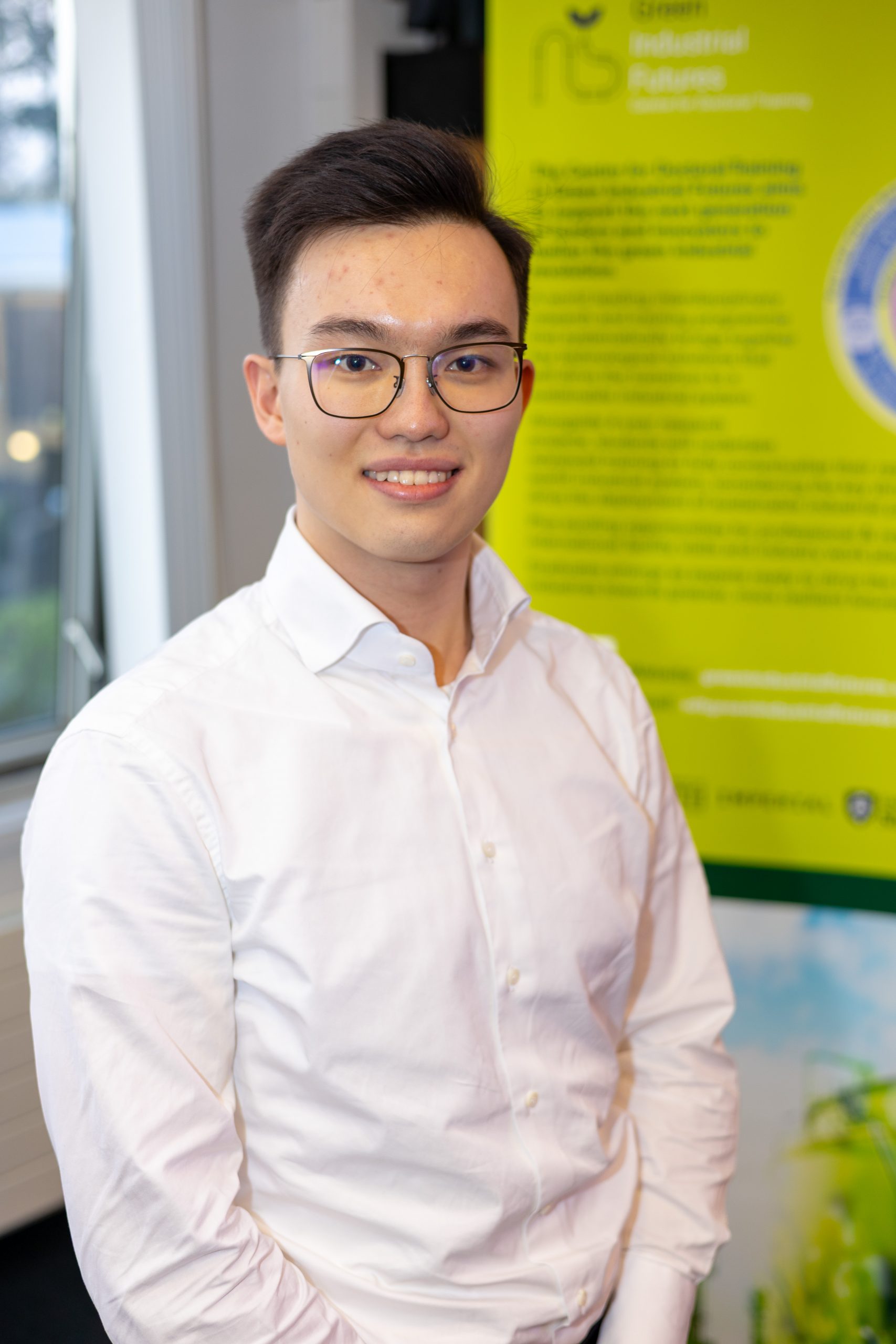
Alexander Nies
Alexander Nies is a PhD candidate at Imperial, where he is part of the Sargent Centre for Process Systems Engineering and the Centre for Doctoral Training in Green Industrial Futures (CDT-GIF). His research focuses on developing tools for the automatic generation of chemical flowsheets for green industrial processes, under the supervision of Dr. Antonio del Rio Chanona and Professor Benoit Chachuat. By creating a method to generate reliable flowsheets automatically, it allows chemical engineers to screen different process alternatives more efficiently, and to optimise the selection and connection between different process operation units.
Alexander holds a MEng degree in Chemical Engineering at Imperial, and the topic for his master’s thesis was on computational fluid dynamics (CFD). In particular, Alexander successfully used direct numerical method to solve the Navier-Stokes equation analysing the absorption of carbon dioxide (CO2) in laminar falling films. Falling films have the potential to be utilised in wet and falling film membrane contactors (FFMC), as their large specific area enhances the absorption of CO2 gas. This work was presented in his master’s thesis, titled “Three-Dimensional Effects on Carbon Capture in Wavy Falling Films”, which has since been published in the International Journal of Multiphase Flow.
Alexander holds a MEng degree in Chemical Engineering at Imperial, and the topic for his master’s thesis was on computational fluid dynamics (CFD). In particular, Alexander successfully used direct numerical method to solve the Navier-Stokes equation analysing the absorption of carbon dioxide (CO2) in laminar falling films. Falling films have the potential to be utilised in wet and falling film membrane contactors (FFMC), as their large specific area enhances the absorption of CO2 gas. This work was presented in his master’s thesis, titled “Three-Dimensional Effects on Carbon Capture in Wavy Falling Films”, which has since been published in the International Journal of Multiphase Flow.
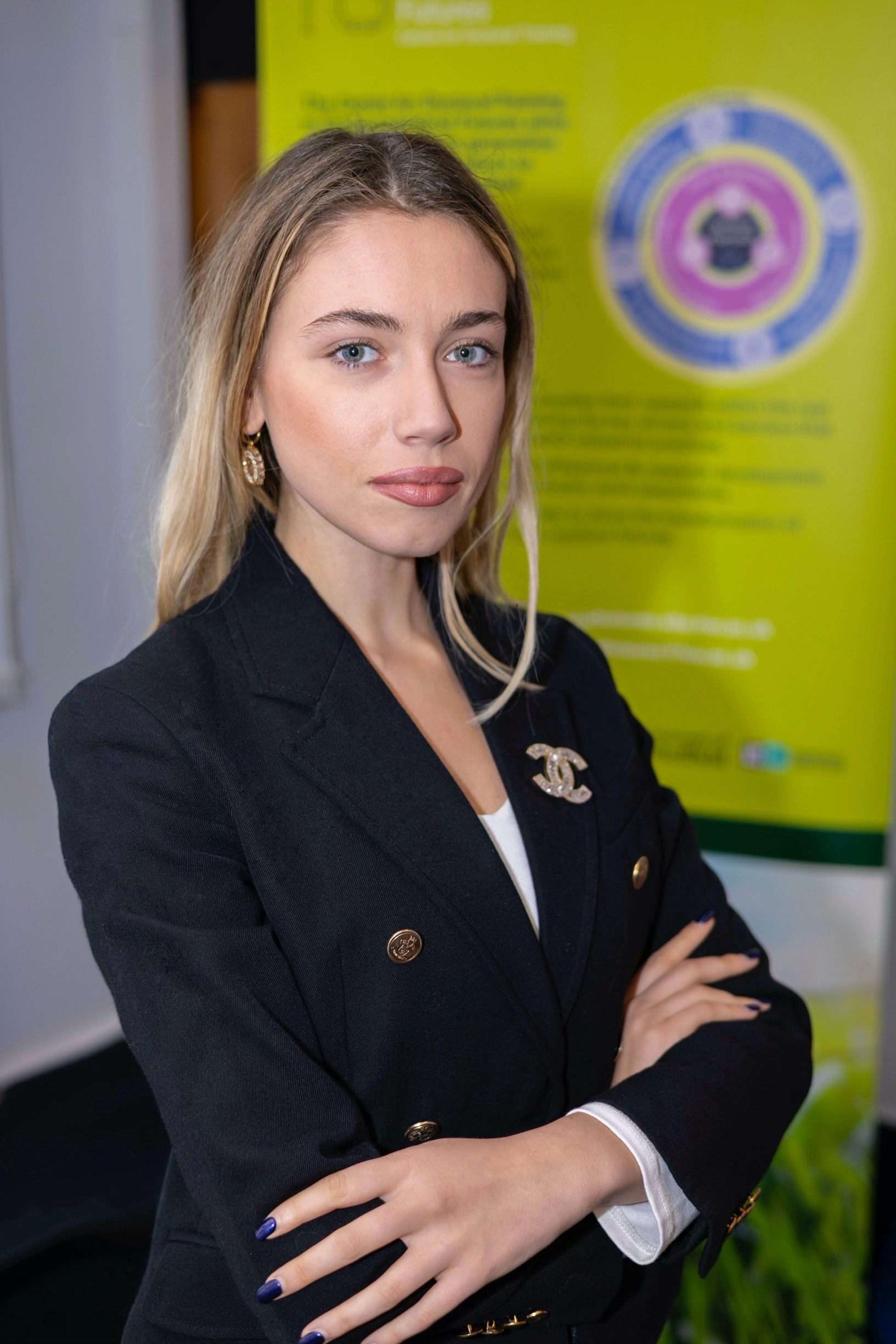
Andrijana Minic
Andrijana Minic is a PhD student in the Department of Chemical Engineering at Imperial College London and part of Titirici Group, Interfacial Electrochemistry Group and the Centre for Doctoral Training in Green Industrial Futures. Her research is supported by a prestigious President’s Scholarship from Imperial College London. Andrijana’s research is focused on the development of Power to X (P2X) technologies which offer an opportunity to convert CO2 (directly captured from air) with renewable electricity to create energy-dense long-chain hydrocarbons for use in aviation and shipping. Currently, her main interest is optimisation of CO2 electro-reduction catalysts for the production of multi-carbon products towards sustainable aviation fuels (SAFs) using automated high-throughput approaches. She is supervised by Professor Maria-Magdalena Titirici and Professor Ifan Stephens.
Andrijana holds BEng in Chemical Engineering from University College London (2021) and an MSc in Advanced Chemical Engineering from Imperial College London (2022). In recognition of her efforts during her studies, Andrijana received several awards acknowledging her academic achievements and contributions to student life. These include the Charles Keel Prize, the Kitson Prize for Chemical Engineering, the Dean’s List 2020/21 Award and the Departmental Prize for the Best Design Project “Design of Carbon Capture & Storage System”. As part of her master’s research, she worked on the development of high-performance composite materials for wastewater remediation under supervision of Professor Kang Li and her work was published in the Chemical Engineering Journal. Following her MSc studies, Andrijana worked as an ESG consultant for two years which involved project and bid management and technical advisory for sponsors, lenders and investors in large transportation and energy PPP projects in EMEA and North America. In this role, her particular focus was on Green and Sustainable Finance, more specifically, Green and Climate Bonds. As a Teaching Assistant, Andrijana’s teaching portfolio spans undergraduate and master’s programs at Imperial, reflecting her expertise in environmental engineering, lifecycle analysis and process design and optimisation. With her technical expertise in chemical engineering, deep understanding of finance, climate policy and other environmental regulatory frameworks and her passion for sustainability, Andrijana continues to make impactful contributions at the intersection of technological development, sustainable finance and innovation. Her work reflects a strong commitment to advancing development of new materials to foster innovative real-world energy solutions and drive transition to clean fuels.
Andrijana holds BEng in Chemical Engineering from University College London (2021) and an MSc in Advanced Chemical Engineering from Imperial College London (2022). In recognition of her efforts during her studies, Andrijana received several awards acknowledging her academic achievements and contributions to student life. These include the Charles Keel Prize, the Kitson Prize for Chemical Engineering, the Dean’s List 2020/21 Award and the Departmental Prize for the Best Design Project “Design of Carbon Capture & Storage System”. As part of her master’s research, she worked on the development of high-performance composite materials for wastewater remediation under supervision of Professor Kang Li and her work was published in the Chemical Engineering Journal. Following her MSc studies, Andrijana worked as an ESG consultant for two years which involved project and bid management and technical advisory for sponsors, lenders and investors in large transportation and energy PPP projects in EMEA and North America. In this role, her particular focus was on Green and Sustainable Finance, more specifically, Green and Climate Bonds. As a Teaching Assistant, Andrijana’s teaching portfolio spans undergraduate and master’s programs at Imperial, reflecting her expertise in environmental engineering, lifecycle analysis and process design and optimisation. With her technical expertise in chemical engineering, deep understanding of finance, climate policy and other environmental regulatory frameworks and her passion for sustainability, Andrijana continues to make impactful contributions at the intersection of technological development, sustainable finance and innovation. Her work reflects a strong commitment to advancing development of new materials to foster innovative real-world energy solutions and drive transition to clean fuels.
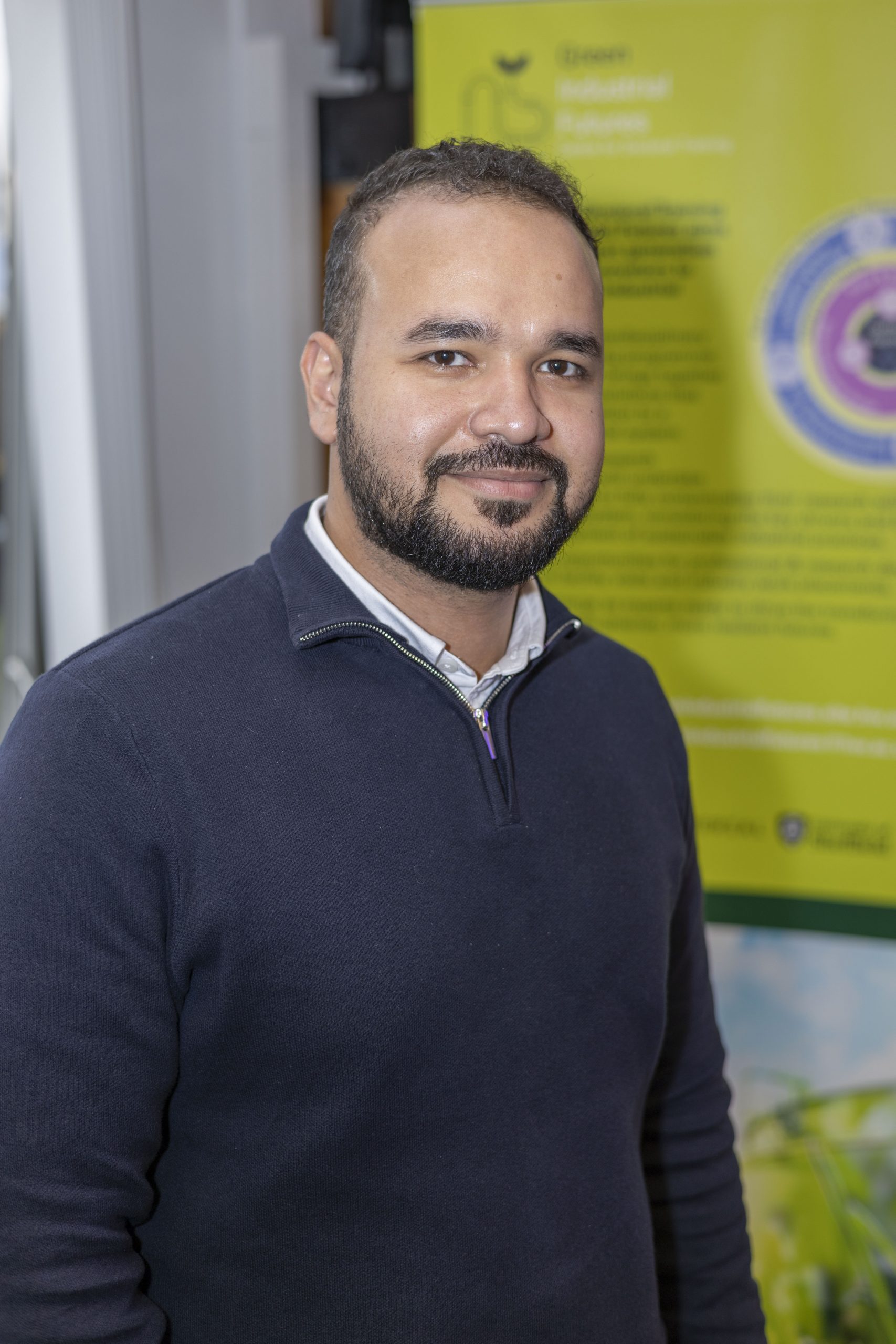
Ayman Salih
Ayman Salih is a PhD researcher at Heriot-Watt University, undertaking his doctoral studies within the CDT–Green Industrial Futures (CDT-GIF) programme. Under the supervision of Professor Mercedes Maroto-Valer, his research focuses on advancing sensing technologies for CCUS through the development of sensor-fusion methodologies that integrate multi-parameter measurements to achieve highly accurate CO₂ density determination across diverse operating conditions. His work directly addresses a core challenge in carbon transport and storage monitoring, supporting the reliability, scalability, and regulatory robustness of CCUS as a critical pillar of global net-zero strategies.
Ayman graduated with Distinction from Glasgow Caledonian University (GCU) in 2025 with an MSc in Electrical and Electronic Engineering, achieving Distinction in all modules and earning 91% in his dissertation — the highest mark in his department. His thesis, “Hydrogen Flow Facility – Specification and Design of the Control and Instrumentation System,” designed and simulated a PLC- and HMI-based hydrogen flow measurement and control facility incorporating safety interlocks, real-time data acquisition, and advanced instrumentation selection. His overall MSc performance placed him in the top 5% of his cohort.
Professionally, Ayman previously worked as a Senior Electrical Engineer and Transformer Design Engineer at Saudi Transformer Company (2016–2022), specialising in LV/MV transformer design, IEC 60076 compliance, thermal modelling, and energy-efficiency improvement projects.
Alongside his academic work, Ayman volunteers weekly at The Wild Olive Tree, a social-enterprise café in Glasgow supporting vulnerable individuals and promoting community inclusion. He also participates in local charity and community initiatives, and enjoys socialising, building networks, and engaging with people from diverse backgrounds.
Ayman graduated with Distinction from Glasgow Caledonian University (GCU) in 2025 with an MSc in Electrical and Electronic Engineering, achieving Distinction in all modules and earning 91% in his dissertation — the highest mark in his department. His thesis, “Hydrogen Flow Facility – Specification and Design of the Control and Instrumentation System,” designed and simulated a PLC- and HMI-based hydrogen flow measurement and control facility incorporating safety interlocks, real-time data acquisition, and advanced instrumentation selection. His overall MSc performance placed him in the top 5% of his cohort.
Professionally, Ayman previously worked as a Senior Electrical Engineer and Transformer Design Engineer at Saudi Transformer Company (2016–2022), specialising in LV/MV transformer design, IEC 60076 compliance, thermal modelling, and energy-efficiency improvement projects.
Alongside his academic work, Ayman volunteers weekly at The Wild Olive Tree, a social-enterprise café in Glasgow supporting vulnerable individuals and promoting community inclusion. He also participates in local charity and community initiatives, and enjoys socialising, building networks, and engaging with people from diverse backgrounds.
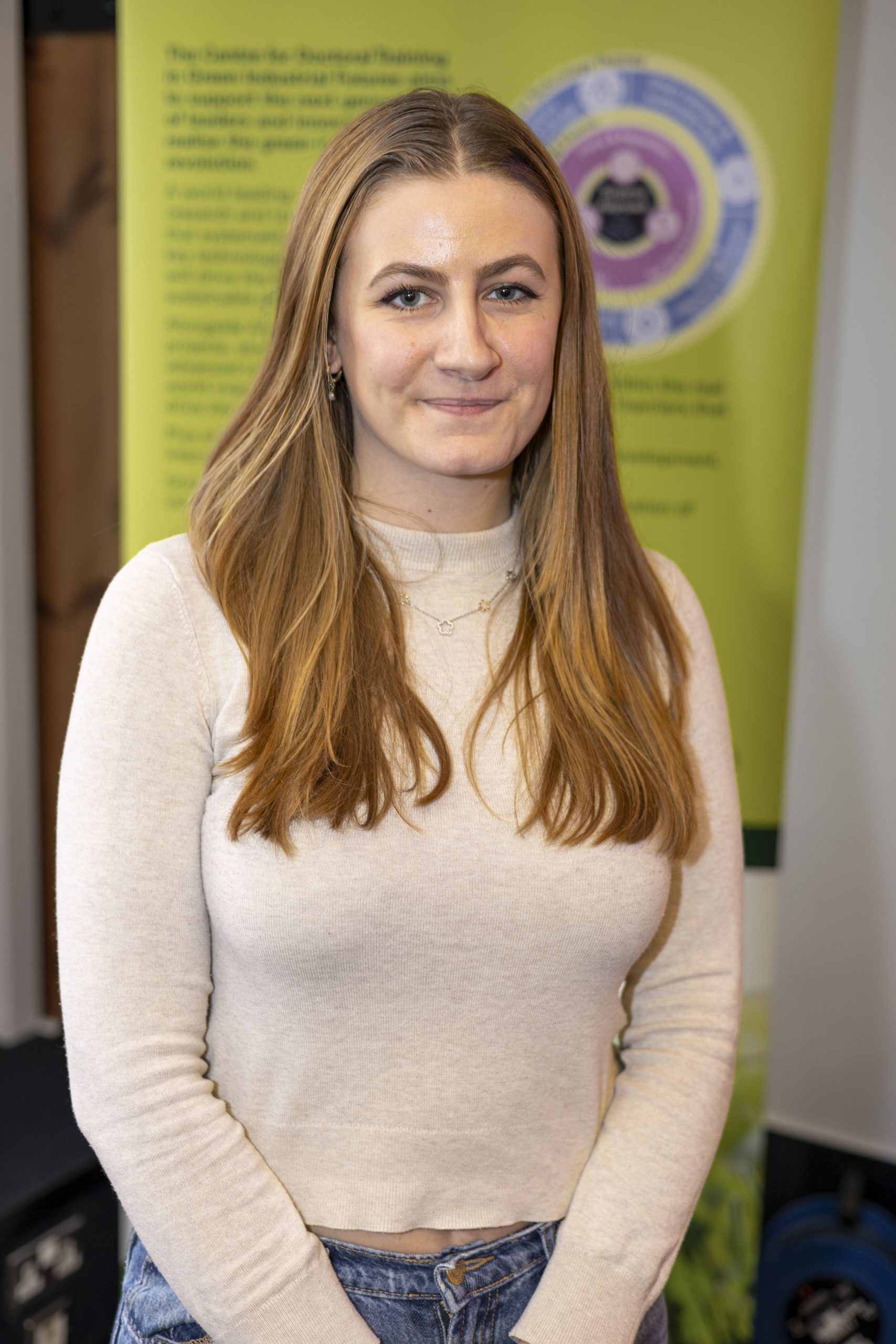
Charlotte Thomas
Charlotte is a PhD researcher at the University of Bath, specialising in environmental psychology as part of the Centre for Doctoral Training (CDT) in Green Industrial Futures. Charlotte’s research focuses on the impacts of climate anxiety in consumers and employees within the aviation industry, whilst also considering responses to decarbonisation in air travel. She hopes to uncover the emotional and behavioural dimensions of eco-anxiety and assess how they intersect with efforts to make aviation more carbon neutral. Her work is supervised by Grace Augustine and Lorraine Whitmarsh.
Before beginning her PhD, Charlotte completed an integrated master’s degree at the University of York, where she studied a range of psychological disciplines and undertook an additional research project with the NHS. During her master’s year, she completed an independent experimental project using virtual reality to assess individuals body representations. Although different from her current study, this project gave her a love of academia and a strong desire to conduct impactful research.
Before beginning her PhD, Charlotte completed an integrated master’s degree at the University of York, where she studied a range of psychological disciplines and undertook an additional research project with the NHS. During her master’s year, she completed an independent experimental project using virtual reality to assess individuals body representations. Although different from her current study, this project gave her a love of academia and a strong desire to conduct impactful research.
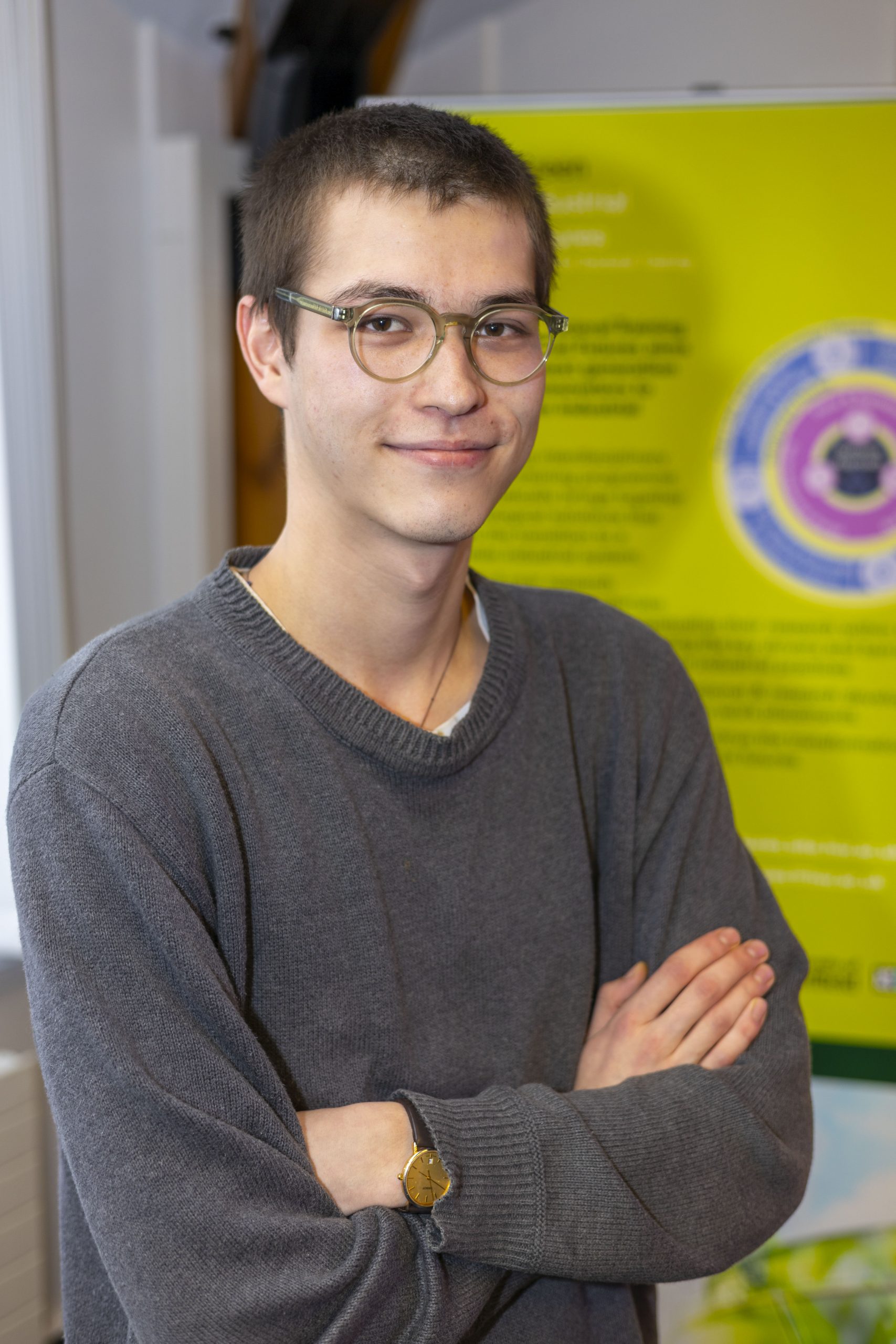
Corin Scott
Corin Scott is a PhD researcher in Chemical Engineering at the University of Bath, in the Centre for Doctoral Training in Green Industrial Futures (CDT-GIF), supervised by Dr. Ming Xie and Prof. Frank Marken. His research focusses on sustainable electrocatalytic nitrate reduction to ammonia, specifically the development of novel synthesis and processing methods for MXenes as electrocatalysts.[CS1] The electrocatalytic nitrate reduction reaction (eNORR) is a process that provides an avenue to sustainable generation of ammonia for fertilisers and feedstocks, sidestepping the high energy costs of traditional methods (Haber-Bosch Process) whilst simultaneously tackling nitrate pollution in waterways, which has been linked to adverse human health effects. MXenes are a novel material with potential applications in electromagnetic interference shielding, energy conversion, catalysis, and more, but current synthesis methods rely on harmful fluorine-producing processes and suffer from sluggish reaction times. The project aims to develop fundamental understanding of these fascinating materials, make their production more facile, and apply these findings for sustainable technologies.
Corin earned his MChem in Chemistry from the University of Bath, also in Prof. Frank Marken’s group, with a project entitled “Reversible hydrogen batteries: Triphasic hydrogen storage in Polymers of Intrinsic Microporosity”. During the course of this research, he investigated the fundamentals of gas storage within microporous polymers and developed a novel methodology for probing hydrogen storage using nuclear magnetic resonance spectroscopy (1H NMR). Some of this work was later published in the review article “A Perspective on the Applications of Triphasic Gas Storage in Electrochemical Systems”. Before that, his previous research was in the adjacent field of electroreduction of gaseous nitrogen, examining electrodeposition and solvent effects on ammonia production.
Corin earned his MChem in Chemistry from the University of Bath, also in Prof. Frank Marken’s group, with a project entitled “Reversible hydrogen batteries: Triphasic hydrogen storage in Polymers of Intrinsic Microporosity”. During the course of this research, he investigated the fundamentals of gas storage within microporous polymers and developed a novel methodology for probing hydrogen storage using nuclear magnetic resonance spectroscopy (1H NMR). Some of this work was later published in the review article “A Perspective on the Applications of Triphasic Gas Storage in Electrochemical Systems”. Before that, his previous research was in the adjacent field of electroreduction of gaseous nitrogen, examining electrodeposition and solvent effects on ammonia production.
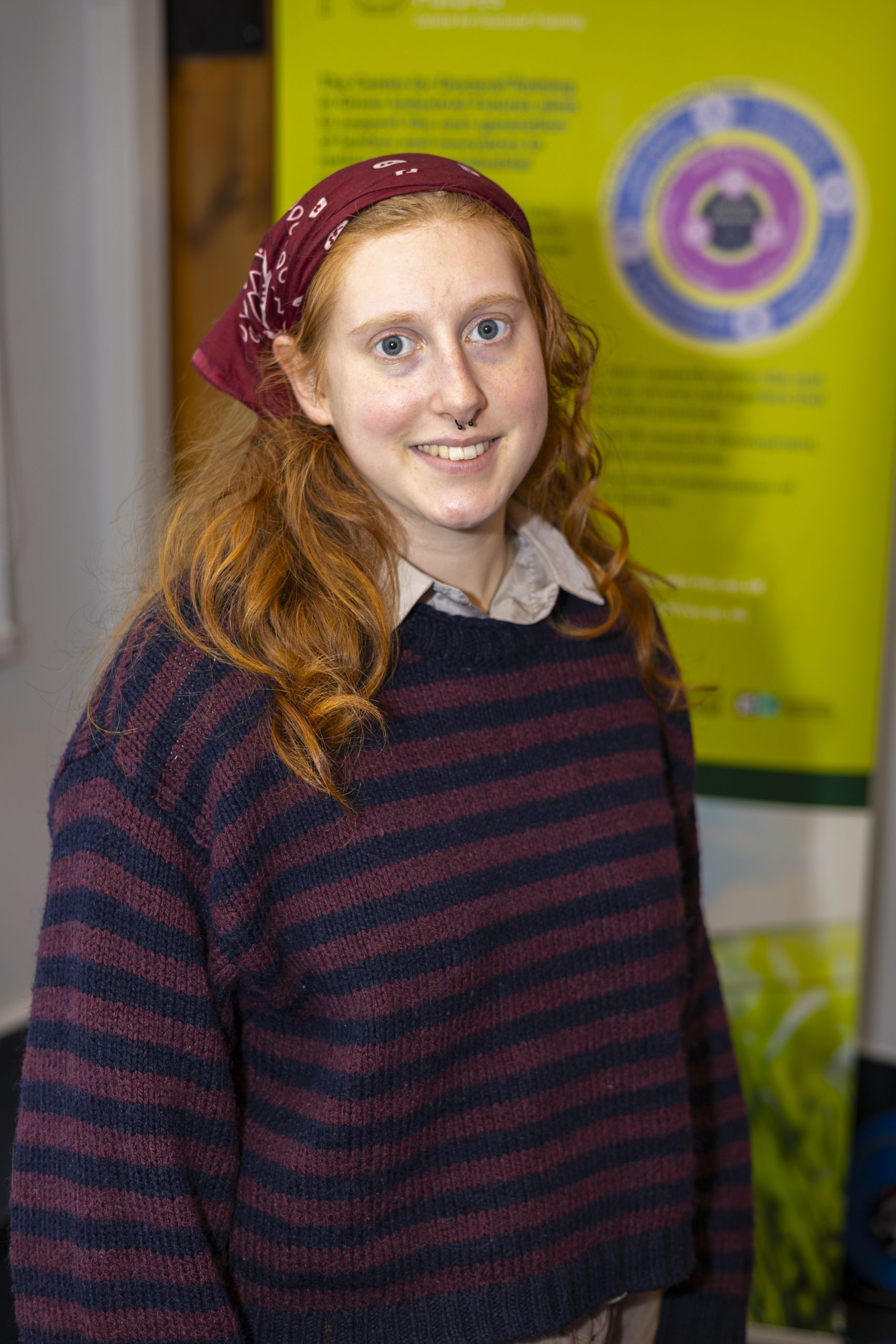
Dorothy Sherratt
Dorothy Sherratt is a PhD student within the CDT for Green Industrial Futures at Heriot-Watt University. Her current project, supervised by Professor Phil Renforth, focuses on the carbonation properties and process of cement, with the aim to create a robust model for carbon dioxide absorption within cements and concretes and design a robust method of experimental testing for carbonation degree of concrete. As cement makes up 8% of global emissions understanding the limits of the materials carbon capture potential is vital to ensure cement companies are not over- exaggerating the effects to reduce their carbon taxes and improve sales. This will then allow for a study of the potential opportunity for carbon dioxide capture during cement’s service life and end of life. This could provide novel developments in how to utilise cement waste from construction waste.
Dorothy graduated with a BSc (Hons) in Physics from the University of Glasgow in 2024. In her final year, she also undertook an internship in quantum computing with the University of Glasgow’s Advanced Research Centre with Dr Robert Graham. Dorothy used HFSS simulations
to determine the optimal material and shape for boxed-in qubits used in high frequency experimental testing. Dorothy then worked as a Heidelberg Materials graduate, in the cement business line, working under Andy Simpson. Some of her projects included, producing Environmental Product Declarations for a range of bagged cementitious products, improving circularity of the supply chain and created reports tracking sales data, to target potential customers.
In her spare time Dorothy loves to be in nature: hiking, wild swimming, tree planting and camping. She loves arts and crafts as well as being part of her local football team. Dorothy plays trombone in a local orchestra and loves to write music and learn new instruments such as accordion, guitar and tin whistle.
Dorothy graduated with a BSc (Hons) in Physics from the University of Glasgow in 2024. In her final year, she also undertook an internship in quantum computing with the University of Glasgow’s Advanced Research Centre with Dr Robert Graham. Dorothy used HFSS simulations
to determine the optimal material and shape for boxed-in qubits used in high frequency experimental testing. Dorothy then worked as a Heidelberg Materials graduate, in the cement business line, working under Andy Simpson. Some of her projects included, producing Environmental Product Declarations for a range of bagged cementitious products, improving circularity of the supply chain and created reports tracking sales data, to target potential customers.
In her spare time Dorothy loves to be in nature: hiking, wild swimming, tree planting and camping. She loves arts and crafts as well as being part of her local football team. Dorothy plays trombone in a local orchestra and loves to write music and learn new instruments such as accordion, guitar and tin whistle.
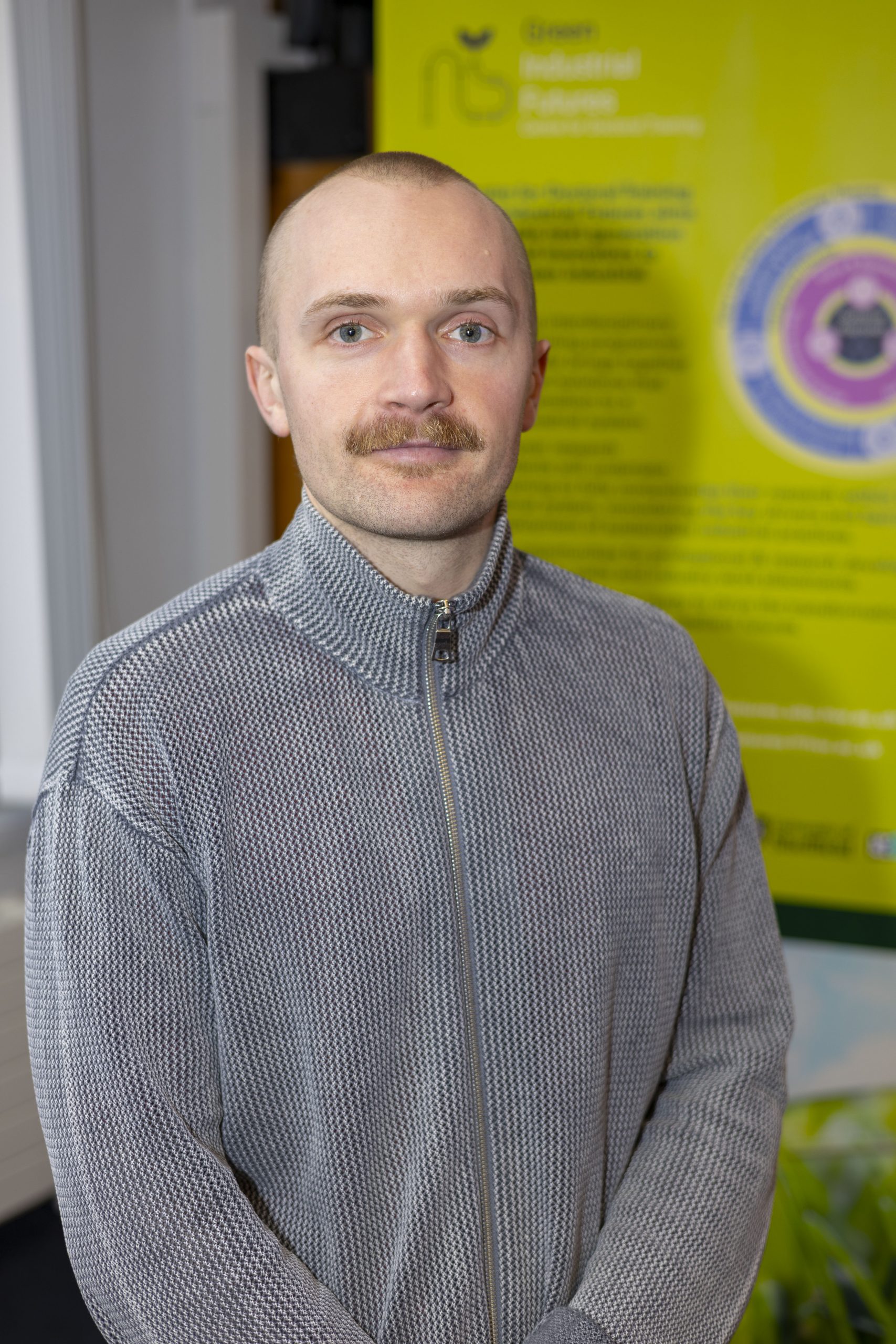
Duncan McMillan
Duncan McMillan is a PhD student at Heriot-Watt University, enrolled in the Green Industrial Futures CDT. His research focuses on taking a holistic approach to the discovery of materials for direct air capture (DAC) applications, specifically metal organic frameworks (MOFs). His work will be done under the supervision of Susana Garcia and Mijndert van der Spek. This research builds on the PrISMa platform, which aims to couple material design with technoeconomic and life cycle assessments, a holistic approach.
Duncan graduated from Strathclyde University in 2019, with a MEng in Chemical and Process Engineering. His master’s thesis was an industrial placement at Cotopaxi Energy, ‘Implementing wide-ranging energy audits to provide operational improvements’. Duncan then worked at Cotopaxi Energy for over four years, working with various industrial clients to help make their processes more sustainable by carrying out energy audits, using his process engineering knowledge to recommend improvement projects. Duncan then attempted to start a company focusing on knowledge management and process improvement in industry, before shuttering the idea and briefly consulting for a power-to-methane startup.
Duncan graduated from Strathclyde University in 2019, with a MEng in Chemical and Process Engineering. His master’s thesis was an industrial placement at Cotopaxi Energy, ‘Implementing wide-ranging energy audits to provide operational improvements’. Duncan then worked at Cotopaxi Energy for over four years, working with various industrial clients to help make their processes more sustainable by carrying out energy audits, using his process engineering knowledge to recommend improvement projects. Duncan then attempted to start a company focusing on knowledge management and process improvement in industry, before shuttering the idea and briefly consulting for a power-to-methane startup.
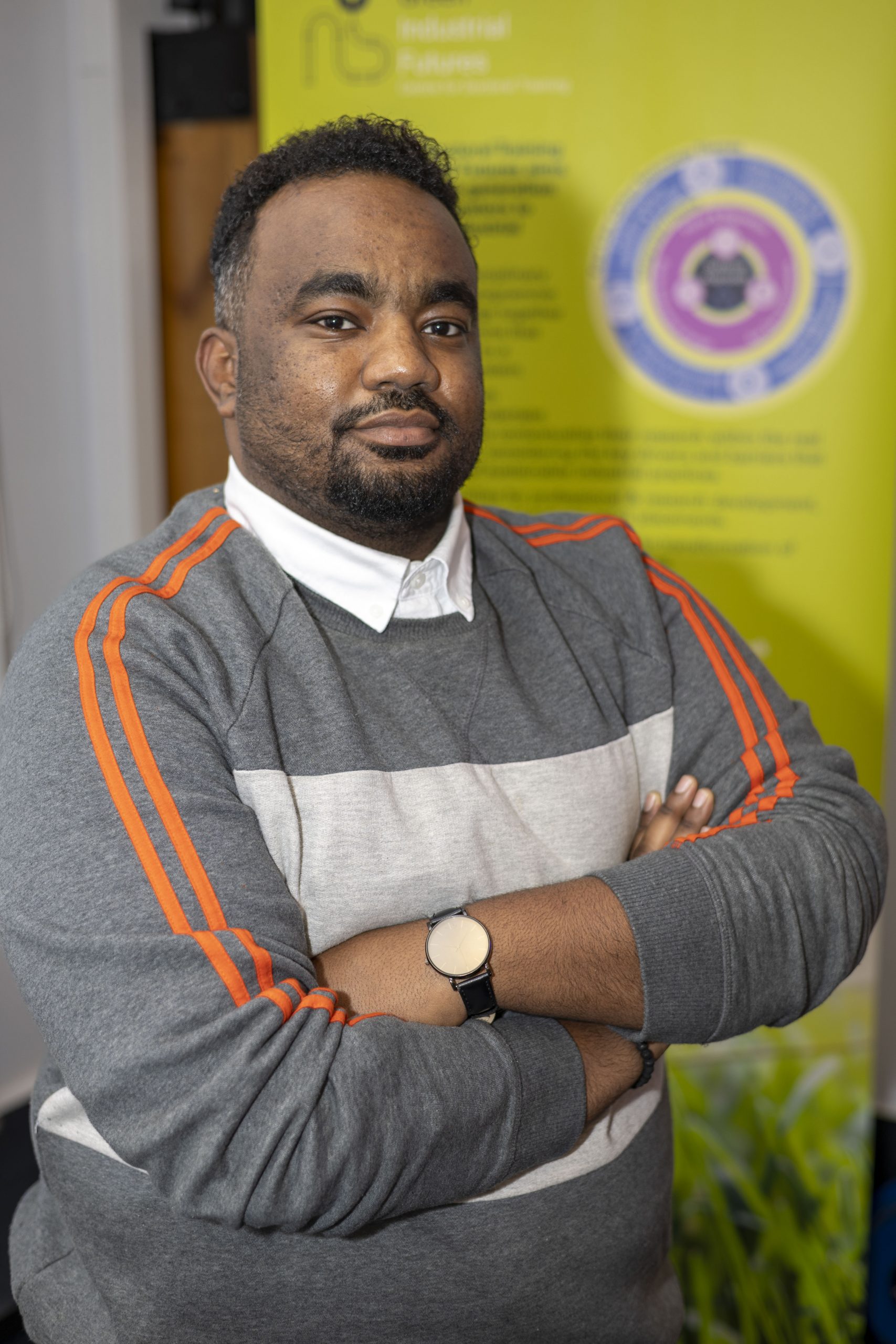
Elmustafa Mohamed
Elmustafa Mohamed is a PhD Researcher at the University of Bath in the Department of Mechanical Engineering and a member of the EPSRC Centre for Doctoral Training in Green Industrial Futures (CDT-GIF). His research focuses on enabling the decarbonisation of dispersed, high-energy-use industrial sites through practical, scalable solutions that support the UK’s Net Zero transition.
Supervised by Professor Marcelle McManus, a leading expert in Life Cycle Assessment (LCA) and sustainable industrial systems, and Dr. Sam Cooper, Academic Lead of CDT-GIF, Mustafa works closely with his industrial supervisor, Philip Naughton, Head of Decarbonisation at British Sugar. His doctoral research evaluates a portfolio of low-carbon pathways encompassing energy efficiency, fuel switching, process electrification, and carbon capture, utilisation and storage (CCUS) across the British Sugar supply chain, with the aim of bridging academic innovation and real-world industrial implementation.
Prior to starting his PhD, Mustafa worked as a Teaching & Research Assistant in the Department of Petroleum Engineering at the University of Aberdeen. He supported lectures, tutorials, and laboratory sessions across petroleum and oil & gas engineering courses, mentoring students in experimental design, numerical simulation, safety procedures, and data analysis. Alongside teaching, he contributed to applied research projects, including laboratory-based work on lithium extraction from subsurface brines and CCUS research experiments. Earlier in his career, Mustafa worked as a petroleum engineer, gaining practical experience with complex, high-energy industrial systems and the challenges of decarbonising legacy infrastructure.
Mustafa holds an MSc in Petroleum Engineering from the University of Aberdeen, where he developed advanced expertise in reservoir simulation and engineering research. His master’s thesis, “Study Recovery Efficiency in an Oil Field,” was recognised for its strong integration of digital rock physics and reservoir engineering. He also holds a First-Class Honours BSc in Petroleum Engineering from Sudan University of Science and Technology, during which he developed a numerically solved radial-flow reservoir model in MATLAB with high analytical accuracy.
Outside academia, Mustafa enjoys travelling, reading, video gaming, and long walks. He values meaningful conversations, interdisciplinary collaboration, and engaging with people from diverse backgrounds.
Supervised by Professor Marcelle McManus, a leading expert in Life Cycle Assessment (LCA) and sustainable industrial systems, and Dr. Sam Cooper, Academic Lead of CDT-GIF, Mustafa works closely with his industrial supervisor, Philip Naughton, Head of Decarbonisation at British Sugar. His doctoral research evaluates a portfolio of low-carbon pathways encompassing energy efficiency, fuel switching, process electrification, and carbon capture, utilisation and storage (CCUS) across the British Sugar supply chain, with the aim of bridging academic innovation and real-world industrial implementation.
Prior to starting his PhD, Mustafa worked as a Teaching & Research Assistant in the Department of Petroleum Engineering at the University of Aberdeen. He supported lectures, tutorials, and laboratory sessions across petroleum and oil & gas engineering courses, mentoring students in experimental design, numerical simulation, safety procedures, and data analysis. Alongside teaching, he contributed to applied research projects, including laboratory-based work on lithium extraction from subsurface brines and CCUS research experiments. Earlier in his career, Mustafa worked as a petroleum engineer, gaining practical experience with complex, high-energy industrial systems and the challenges of decarbonising legacy infrastructure.
Mustafa holds an MSc in Petroleum Engineering from the University of Aberdeen, where he developed advanced expertise in reservoir simulation and engineering research. His master’s thesis, “Study Recovery Efficiency in an Oil Field,” was recognised for its strong integration of digital rock physics and reservoir engineering. He also holds a First-Class Honours BSc in Petroleum Engineering from Sudan University of Science and Technology, during which he developed a numerically solved radial-flow reservoir model in MATLAB with high analytical accuracy.
Outside academia, Mustafa enjoys travelling, reading, video gaming, and long walks. He values meaningful conversations, interdisciplinary collaboration, and engaging with people from diverse backgrounds.
Emily Walford
Emily Walford is a PhD student with the CDT-GIF enrolled at Heriot-Watt University under the supervision of Mijndert van der Spek. She is completing her first year on industrial placement at Surface Measurement Systems in London. Here, Emily is developing high-fidelity experimental methods to study CO2-N2-H2O co-sorption on a range of materials, including Dynamic Vapour Sorption (DVS), Breakthrough Analysis (BTA) and volumetric and gravimetric techniques. This initial research will enable Emily to modify one chosen technique to expand its usability for multi-component mixtures. The remaining years of Emily’s PhD will be focused on the application of this method to a wide range of adsorbate materials for carbon capture applications, therefore contributing to the CDT’s wider goal of delivering sustainable and scalable solution for CO2 management in hard-to-abate industrial sectors.
Prior to her PhD, Emily completed her integrated masters in Materials Chemistry at the University of St Andrews. Emily’s final year project focused on the application of density functional theory in the study of the bonding nature of alkaline earth metal complexes. This work entailed application of natural bond order (NBO) and Quantum Theory of Atoms in Molecules (QTAIM) analysis. Throughout her time at St Andrews, Emily gained 3 years of laboratory experience, including methods such as X-Ray Crystallography, Nuclear Magnetic Spectroscopy (NMR), High Resolution Mass Spectroscopy, Infrared Spectroscopy (IR) and UV-vis spectroscopy. Additionally, she contributed to designing future laboratory experiments for undergraduate students at St. Andrews, which will be presented at the variety in chemistry education/ physics higher education conference (VICEPHEC) in late 2025.
Outside of work, Emily enjoys travelling with friends, swimming and reading. Recent highlights for Emily include learning to ski with friends in Norway and diving in Indonesia with wild dolphins.
Prior to her PhD, Emily completed her integrated masters in Materials Chemistry at the University of St Andrews. Emily’s final year project focused on the application of density functional theory in the study of the bonding nature of alkaline earth metal complexes. This work entailed application of natural bond order (NBO) and Quantum Theory of Atoms in Molecules (QTAIM) analysis. Throughout her time at St Andrews, Emily gained 3 years of laboratory experience, including methods such as X-Ray Crystallography, Nuclear Magnetic Spectroscopy (NMR), High Resolution Mass Spectroscopy, Infrared Spectroscopy (IR) and UV-vis spectroscopy. Additionally, she contributed to designing future laboratory experiments for undergraduate students at St. Andrews, which will be presented at the variety in chemistry education/ physics higher education conference (VICEPHEC) in late 2025.
Outside of work, Emily enjoys travelling with friends, swimming and reading. Recent highlights for Emily include learning to ski with friends in Norway and diving in Indonesia with wild dolphins.
Emma Bond
Emma is a PhD student in Professor Martin Trusler’s Thermophysics Group at Imperial College London. She will be studying the thermodynamic properties of pure and impure CO₂ in the compressed liquid region down to the triple point; conditions which are particularly relevant to liquid CO₂ shipping and dense phase pipeline transport. These high accuracy measurements will also support the development of ultrasonic flow meters, enabling accurate CO2 custody transfer and enhancing the safety and efficiency of process operations.
This work is supported by the gigaCCS Research Centre, a Norwegian-led multi-party industry and academic collaboration that aims to build technical knowledge to effectively upscale CCS to the gigaton scale. gigaCCS is administered by the Research Council of Norway (35037).
Emma previously studied the freeze out of impurities in hydrogen through the Future Energy Exports Research Group at The University of Western Australia, providing technical insights that contribute to the safe and effective operation of hydrogen liquefaction facilities. Emma has some industry experience across the gas, hydrogen and CCS industries in Western Australia.
Francesca Rowley
Francesca Rowley is a first year PhD researcher in the Department of Chemical Engineering at Imperial College London, where she is part of the Centre for Doctoral Training (CDT) in Green Industrial Futures. Under the supervision of Professor Martin Trusler, she focuses on next generation solvents for carbon capture, specifically looking at amino-acid salt solutions and mitigation of their solid precipitation.
Prior to her PhD, Francesca also completed her master’s degree in chemical engineering (MEng) at Imperial College London. Her master’s research project outlined the effect of bentonite on CO2 adsorption performance as a binder for zeolite-13X pellets. Alongside developing, characterising and testing the pellets, she developed a computational model to validate experimental findings. Before commencing her final year, Francesca was invited to join the Earth and Life Science Institute for 8 weeks at the Institute of Science Tokyo. Here, she designed microfluidic reactors to mimic the surface interactions of primordial life with deep-sea hydrothermal vents for advancements toward an origin of life theory.
Outside of her studies, Francesca spends most of her time outside or being active. She particularly enjoys playing padel, hockey and attending bi-weekly freestyle ski sessions at the Hemel Hempstead Snow Centre. This is part of the Imperial College Snowsports Society (ICSC) for which she holds the Race Captain position on the committee.
Prior to her PhD, Francesca also completed her master’s degree in chemical engineering (MEng) at Imperial College London. Her master’s research project outlined the effect of bentonite on CO2 adsorption performance as a binder for zeolite-13X pellets. Alongside developing, characterising and testing the pellets, she developed a computational model to validate experimental findings. Before commencing her final year, Francesca was invited to join the Earth and Life Science Institute for 8 weeks at the Institute of Science Tokyo. Here, she designed microfluidic reactors to mimic the surface interactions of primordial life with deep-sea hydrothermal vents for advancements toward an origin of life theory.
Outside of her studies, Francesca spends most of her time outside or being active. She particularly enjoys playing padel, hockey and attending bi-weekly freestyle ski sessions at the Hemel Hempstead Snow Centre. This is part of the Imperial College Snowsports Society (ICSC) for which she holds the Race Captain position on the committee.
Francesco Polito
Francesco Polito is a curious chemical engineer passionate about the energy problem and the solar potential. He is currently undertaking his PhD in Chemical Engineering at Imperial College London under the supervision of Professor Christos Markides, focusing on the development of a Multifunctional Solar Processor: a combined renewable energy generator and in situ chemical reactor designed to advance sustainable energy solutions.
Over the past five years, Francesco has worked as an engineering manager leading renewable energy projects across the UK, Italy, and the US, spanning photovoltaics (PV), wind, and battery systems (BESS). This industry experience exposed him to the real-world challenges slowing the energy transition, fueling his determination to bridge the gap between research and practice.
Motivated by his passion towards impactful innovation, in September 2025 Francesco initiated his PhD and renewed his commitment with Solar Flow, an Imperial spin-out focused on technology R&D, with a track record of fundraising (>£2M), project delivery, and developing award-winning PV-X technologies up to TRL 5-6.
Over the past five years, Francesco has worked as an engineering manager leading renewable energy projects across the UK, Italy, and the US, spanning photovoltaics (PV), wind, and battery systems (BESS). This industry experience exposed him to the real-world challenges slowing the energy transition, fueling his determination to bridge the gap between research and practice.
Motivated by his passion towards impactful innovation, in September 2025 Francesco initiated his PhD and renewed his commitment with Solar Flow, an Imperial spin-out focused on technology R&D, with a track record of fundraising (>£2M), project delivery, and developing award-winning PV-X technologies up to TRL 5-6.
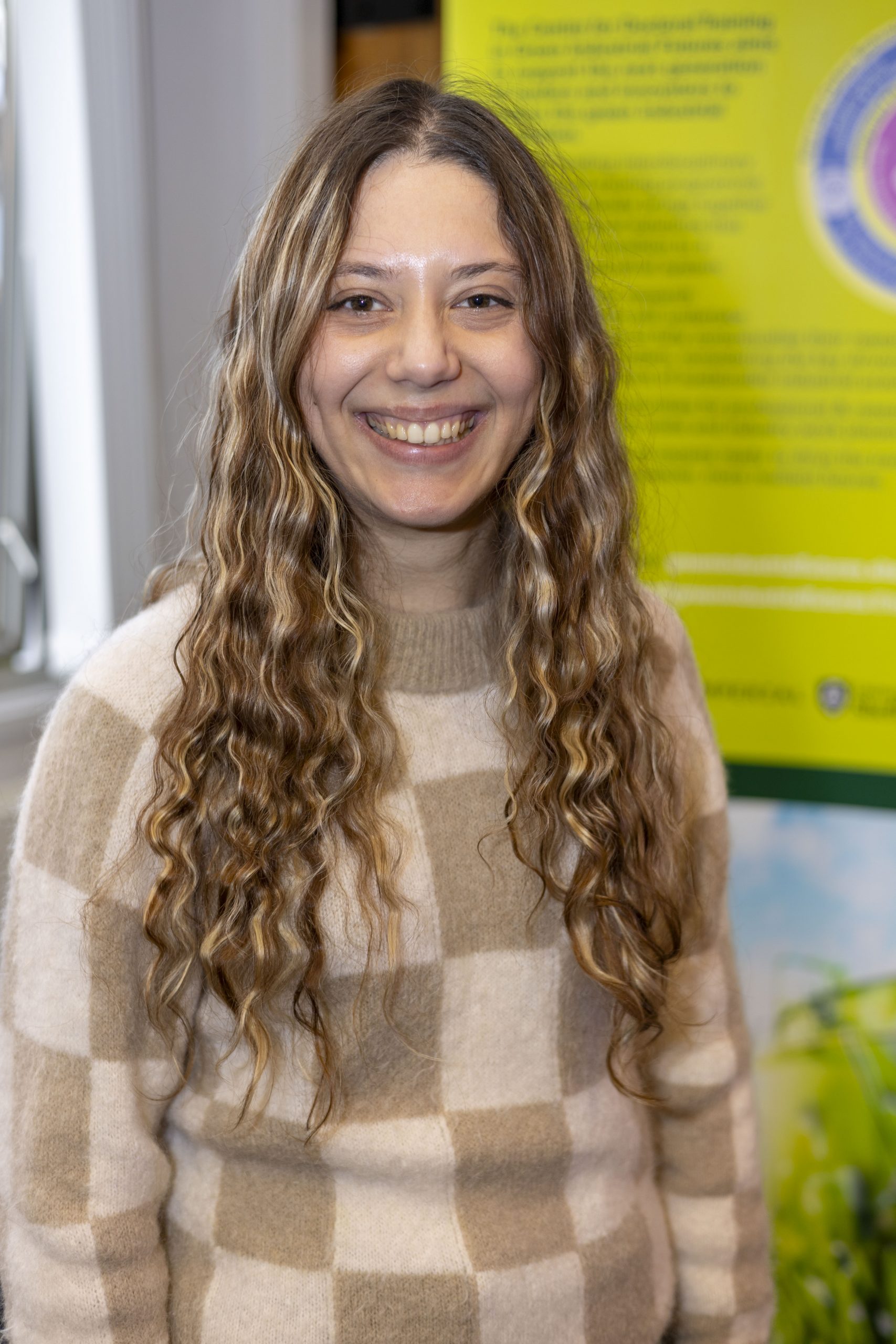
Gabriela Bezati
Gabriela is a PhD candidate at Imperial College London in the Centre for Doctoral Training (CDT) in Green Industrial Futures. Under the supervision of Dr. Qilei Song, Gabriela’s PhD research will focus on the chemical design, synthesis, and characterisation of novel monomers and the development of advanced polymers of intrinsic porosity (PIM) structures. While PIMs have shown great promise in separation technologies, but their potential extends much further. By rationally designing monomer building blocks with tailored chemical functionalities and structural motifs, it is possible to develop next-generation PIMs with properties suited for a range of applications, including ion-exchange membranes and ionomers for electrochemical energy conversion and storage, such as fuel cells, batteries, and electrolysers.
Gabriela completed her MChem in Chemistry with Drug Discovery at the University of Strathclyde, where she worked on porous polymer microspheres for applications in proteomics, under the supervision of Prof. Peter Cormack. She completed an industrial placement at SIKA AG developing sustainable polymer adhesive formulations, alternatives to commercial polyurethanes. Her materials research has demonstrated her vision in a sustainable future.
Alongside her research, she has a strong interest in science communication and is a first author of a recent publication in RSC Open Science exploring science communication in digital media. She also enjoys travelling, murder mystery novels and hiking.
Gabriela completed her MChem in Chemistry with Drug Discovery at the University of Strathclyde, where she worked on porous polymer microspheres for applications in proteomics, under the supervision of Prof. Peter Cormack. She completed an industrial placement at SIKA AG developing sustainable polymer adhesive formulations, alternatives to commercial polyurethanes. Her materials research has demonstrated her vision in a sustainable future.
Alongside her research, she has a strong interest in science communication and is a first author of a recent publication in RSC Open Science exploring science communication in digital media. She also enjoys travelling, murder mystery novels and hiking.
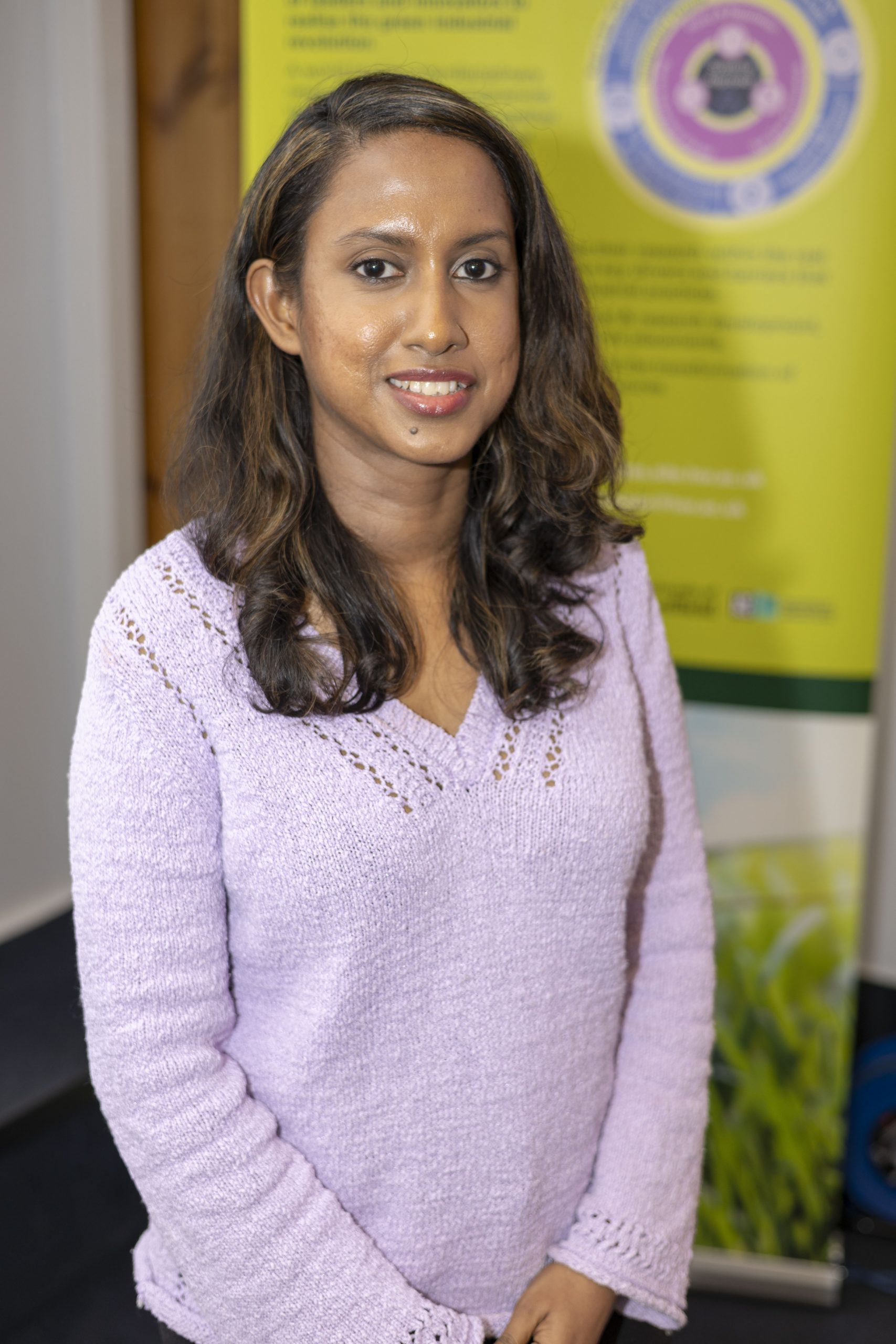
Gandhari Nawalage
Gandhari Nawalage is a PhD research student at the University of Bath, as a part of the Green Industrial Futures Centre for Doctoral Training, under the supervision of Prof. Marcelle McManus. Her research focuses on the use of life cycle assessment as a tool to support decarbonisation and sustainability efforts within the steel industry. Her research also covers material efficiency and the circular economy, which becomes increasingly important as the steel industry transitions into the use of recycled steel and away from primary steelmaking.
She completed her undergraduate degree at the University of Nottingham Malaysia in 2018, with her final year project focusing on the use of biodegradable packaging material made from mycelium, Mycofoam and evaluating the mechanical properties under different applications. Resulting from her multi-cultural educational background and work in energy policy research, she has developed a profound interest for using engineering knowledge to propel sustainability efforts on a global-scale.”
She completed her undergraduate degree at the University of Nottingham Malaysia in 2018, with her final year project focusing on the use of biodegradable packaging material made from mycelium, Mycofoam and evaluating the mechanical properties under different applications. Resulting from her multi-cultural educational background and work in energy policy research, she has developed a profound interest for using engineering knowledge to propel sustainability efforts on a global-scale.”
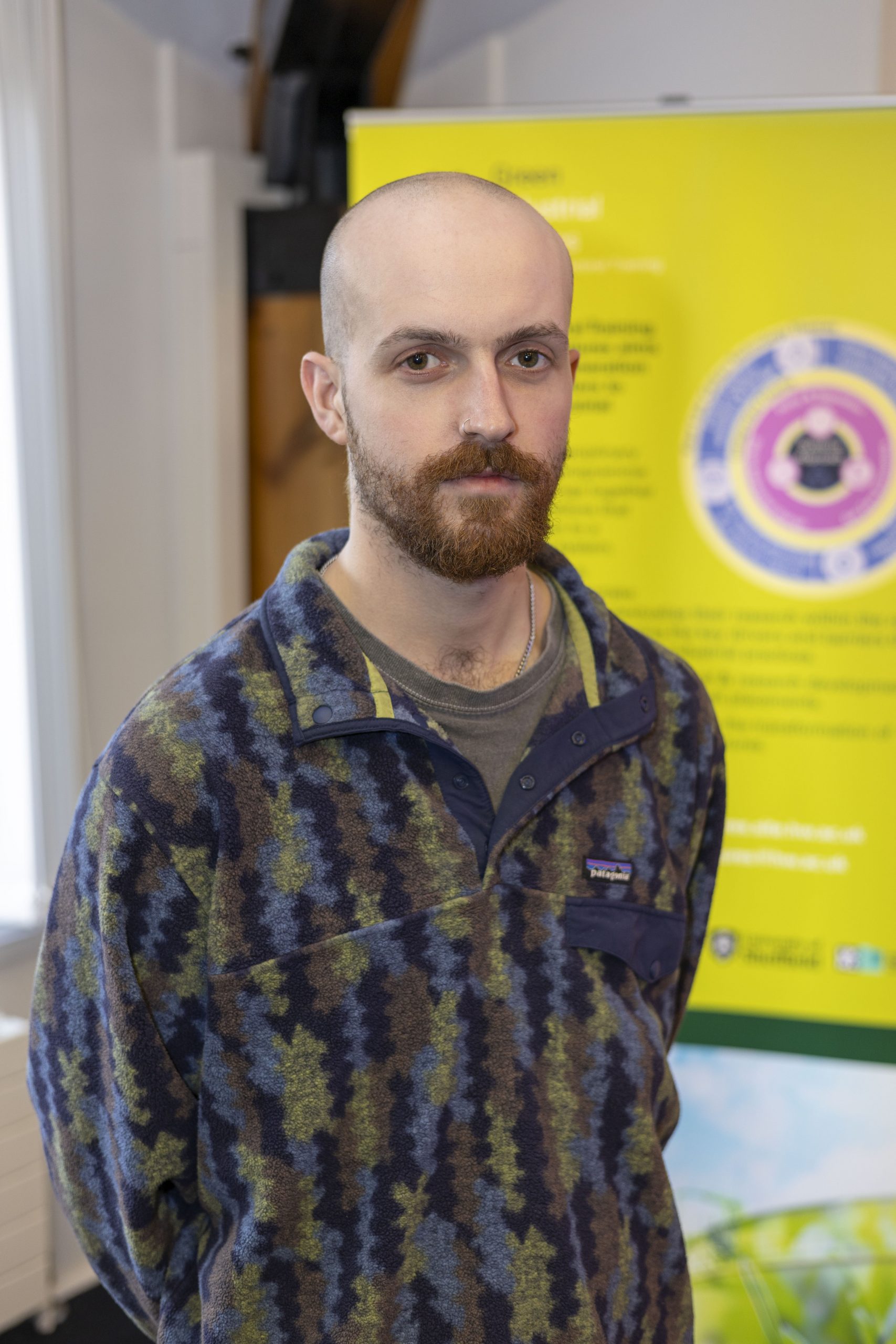
Harry Bower
Harry Bower is a PhD researcher in Chemical Engineering working with BASF and Procter & Gamble and operating out of the Centre for Doctoral Training – Green Industrial Futures branch. His project, Advancing Sustainable Polymer Biodegradation through Flow Chemistry and Real-Time Monitoring, focuses on developing rapid testing platforms to study how polymeric liquid formulations (PLFs) – such as those in detergents, coatings, and personal care products – degrade in the environment. Using suspension phased reactors with inline and at-line tools (FTIR, SEC-MS, NMR), his aim is to shorten current OECD biodegradation tests to predictive assays of only a few days, while providing mechanistic insight into degradation pathways.
Harry holds an MRes in Molecular Science and Engineering from Imperial College London where he developed portable HPLC methods for analysing reproductive health biomarkers, and a BEng in Chemical Engineering from The University of Edinburgh, where he contributed to the design of a waste-to-energy plant with integrated carbon capture. His background spans process systems design, analytical chemistry, and sustainability focused engineering. He has been awarded the Institute of Molecular Science and Engineering (IMSE) Prize for Excellence in Research and Science Communication and the IMSE Project Showcase Prize for Best Flash Presentation. Previous research experience includes work on 3D-printable biocompatible polymers for cranial prosthetics at The University of Edinburgh.
Outside of his research, Harry engages in an eclectic mix of outdoor and recreational activities. He has performed as a DJ for several years, built tipis and yurts at music festivals across the country, and lived on a narrow boat on the canals of London for two years. He also practices circus skills, with particular attention to the Chinese originating diabolo. Growing up near the Lake District afforded Harry the opportunity to become an accomplished mountain biker, hill walker, skier and more recently, spear-fisher. His affinity for the outdoors did in many ways influence his decision to take on a PhD in Edinburgh – where one can easily access the mountains and the ocean.
Harry holds an MRes in Molecular Science and Engineering from Imperial College London where he developed portable HPLC methods for analysing reproductive health biomarkers, and a BEng in Chemical Engineering from The University of Edinburgh, where he contributed to the design of a waste-to-energy plant with integrated carbon capture. His background spans process systems design, analytical chemistry, and sustainability focused engineering. He has been awarded the Institute of Molecular Science and Engineering (IMSE) Prize for Excellence in Research and Science Communication and the IMSE Project Showcase Prize for Best Flash Presentation. Previous research experience includes work on 3D-printable biocompatible polymers for cranial prosthetics at The University of Edinburgh.
Outside of his research, Harry engages in an eclectic mix of outdoor and recreational activities. He has performed as a DJ for several years, built tipis and yurts at music festivals across the country, and lived on a narrow boat on the canals of London for two years. He also practices circus skills, with particular attention to the Chinese originating diabolo. Growing up near the Lake District afforded Harry the opportunity to become an accomplished mountain biker, hill walker, skier and more recently, spear-fisher. His affinity for the outdoors did in many ways influence his decision to take on a PhD in Edinburgh – where one can easily access the mountains and the ocean.
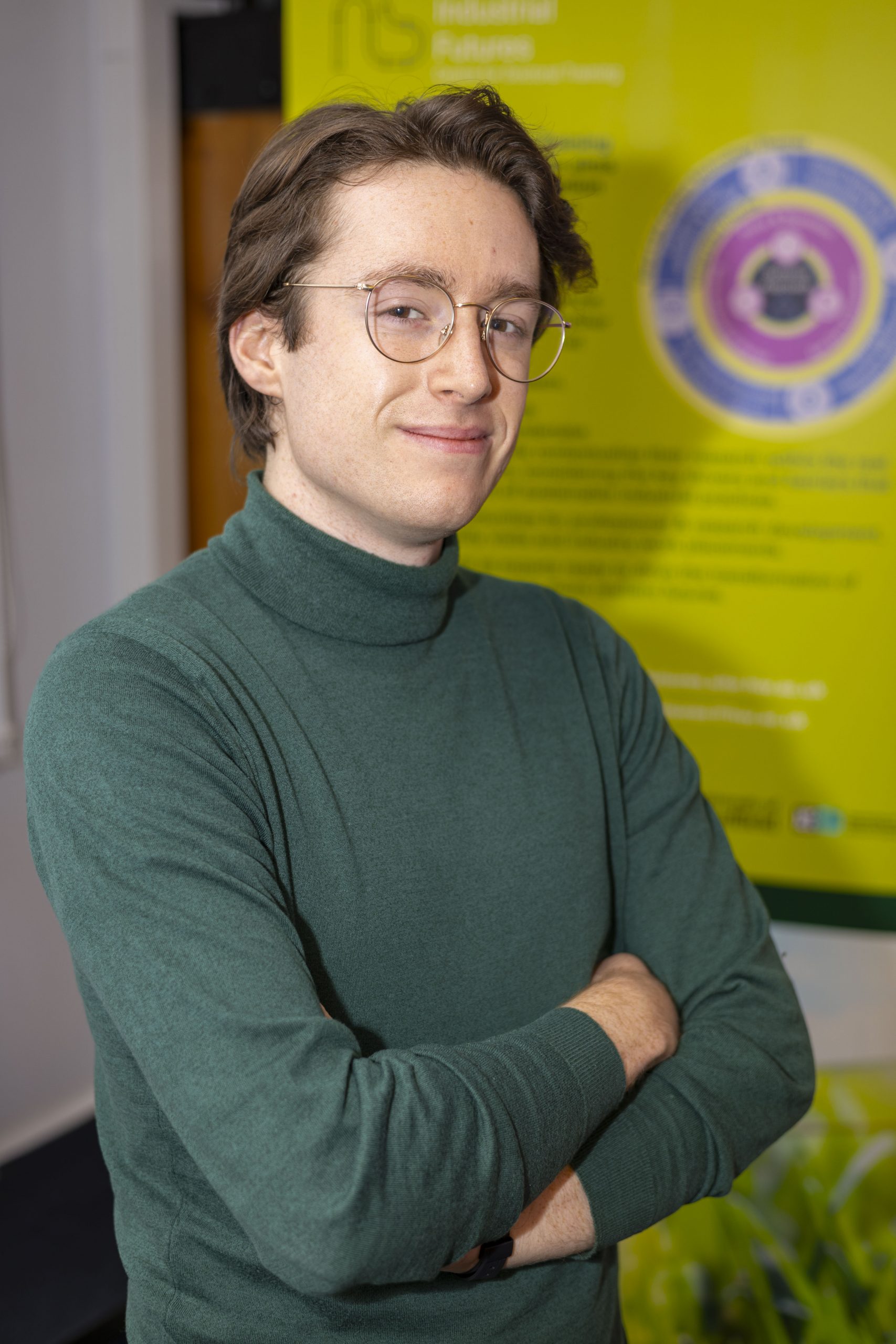
Harry Morris
Harry Morris is a PhD student at Imperial College London, researching geological CO2 Storage as part of the Green Industrial Futures Centre for Doctoral Training. His research under Prof. Sam Krevor and Prof. Ann Muggeridge involves investigating the impacts of small-scale heterogeneities in geological reservoir rocks on existing models of CO2 plume behaviour.
Prior to his PhD, Harry spent two years working at the British Geological Survey at their headquarters in Keyworth, Nottingham. He was a member of the Carbon Capture and Storage team, working on various CO2 storage projects in the UK and abroad, as well as other energy transition projects in hydrogen storage and geothermal. Through this he has published work investigating the distribution of the Rot Halite Member as a top seal for CO2 storage in the UK Southern North Sea, and also was involved in the creation of a screening tool for microbial activity in subsurface reservoirs for energy storage. He holds a first class MSci integrated master’s degree in Earth Sciences from Durham University, where he specialised in geophysical surveying of archaeological sites.
While at university, he participated extensively in university life, becoming Junior Common Room Chair and eventually an Honorary Life Member of Collingwood College. He also was involved in organising freshers’ week events, as well as designing and operating lighting and sound tech for events and theatre, gaining invaluable hands-on experience. Outside of university, he spends much of his free time hiking, and has keen interests in coffee, whisky, and good novels.
Prior to his PhD, Harry spent two years working at the British Geological Survey at their headquarters in Keyworth, Nottingham. He was a member of the Carbon Capture and Storage team, working on various CO2 storage projects in the UK and abroad, as well as other energy transition projects in hydrogen storage and geothermal. Through this he has published work investigating the distribution of the Rot Halite Member as a top seal for CO2 storage in the UK Southern North Sea, and also was involved in the creation of a screening tool for microbial activity in subsurface reservoirs for energy storage. He holds a first class MSci integrated master’s degree in Earth Sciences from Durham University, where he specialised in geophysical surveying of archaeological sites.
While at university, he participated extensively in university life, becoming Junior Common Room Chair and eventually an Honorary Life Member of Collingwood College. He also was involved in organising freshers’ week events, as well as designing and operating lighting and sound tech for events and theatre, gaining invaluable hands-on experience. Outside of university, he spends much of his free time hiking, and has keen interests in coffee, whisky, and good novels.
Laura Ellington
Laura Ellington is a PhD researcher at Imperial College London, where she is part of the Sargent Centre for Process Systems Engineering and the Centre for Doctoral Training in Green Industrial Futures. Her current research, under the supervision of Antonio del Rio Chanona and Benoit Chachuat, focuses on developing artificial intelligence tools to support decision-making for decarbonising chemical value chains. By integrating machine learning and process optimisation methods, her work seeks to support sustainable chemicals manufacturing, in partnership with BASF.
Laura holds a MSci in Chemistry with a Year in Industry from Imperial College London, where she explored applications of large language models in text mining chemical literature, and database development in the field of porous liquids. She also spent a year in industry at Syngenta, working as an organic chemist in small molecule discovery for herbicide development. During this time, she designed and synthesised candidate molecules for testing, alongside work on sustainable agricultural practices. Throughout her academic work, she is inspired and motivated by tool development to accelerate research and improve accessibility across scientific fields.
Laura holds a MSci in Chemistry with a Year in Industry from Imperial College London, where she explored applications of large language models in text mining chemical literature, and database development in the field of porous liquids. She also spent a year in industry at Syngenta, working as an organic chemist in small molecule discovery for herbicide development. During this time, she designed and synthesised candidate molecules for testing, alongside work on sustainable agricultural practices. Throughout her academic work, she is inspired and motivated by tool development to accelerate research and improve accessibility across scientific fields.
Leila Zadi
Leila Zadi is a PhD student at the University of Bath, investigating protest groups and the alliances they form, in order to understand how they influence policy regarding industrial decarbonisation. She aims to contribute to a Just Transition, while maintaining a people-centred approach. The Centre for Doctoral training in Green Industrial Futures supports her work, where she contributes to the Integrated Theme, which includes social, environmental, economic and political aspects. Amplifying the voices of protest groups while also maintaining realistic and achievable goals within policy is important to ensure realistic integration of technologies into society. Her work is supervised by Lorraine Whitmarsh and Christina Demski, both based at the University of Bath.
Previously, Leila completed both her Undergraduate and Masters degrees at the University of Sussex, where she studied Psychology and Cognitive Neuroscience respectively. Her undergraduate project investigated the factors that contribute to decision-making within the context of climate change, and her Master’s dissertation focused on protest behaviour that occurred during the teacher strikes in 2023. These two projects provided the opportunity to establish and deepen her knowledge within the field of sustainability and protest behaviour, enabling her to combine the two subjects to bring forward to her PhD project. She developed a range of skills useful for her future endeavours, such as working with R, qualitative data analysis, and soft skills like organisation, teamwork and leadership.
Previously, Leila completed both her Undergraduate and Masters degrees at the University of Sussex, where she studied Psychology and Cognitive Neuroscience respectively. Her undergraduate project investigated the factors that contribute to decision-making within the context of climate change, and her Master’s dissertation focused on protest behaviour that occurred during the teacher strikes in 2023. These two projects provided the opportunity to establish and deepen her knowledge within the field of sustainability and protest behaviour, enabling her to combine the two subjects to bring forward to her PhD project. She developed a range of skills useful for her future endeavours, such as working with R, qualitative data analysis, and soft skills like organisation, teamwork and leadership.
Manish Sharma Timilsina
Manish Sharma Timilsina is a PhD researcher at Imperial College London, where he is part of the electrochemical systems laboratory and the Centre for Doctoral Training (CDT) in Green Industrial Futures. His research, under the supervision of Professor Anna Hankin and Ifan Stephens, focuses on electro-reducing carbon dioxide into longer chain hydrocarbons. By co-electrodepositing Nickel derived metal catalysts with other metals such as Cobalt, Copper, Molybdenum etc., he aims to enhance selectivity of carbon dioxide for the longer chain. His research also focuses on understanding the carbon coupling mechanism using experimental and computational methodologies to understand the process, which is essential for reducing carbon emissions and promoting sustainable energy landscape.
Before beginning his PhD, Manish earned a master’s degree in Nanochemistry from Kookmin University, South Korea, where he developed multifunctional copolymers that combine thermoresponsive behaviour with redox-active moieties to harvest temperature gradients for electricity generation. He completed his undergraduate studies in Chemical Engineering at Kathmandu University, Nepal. Together, these experiences shaped his focus on low-carbon energy systems particularly carbon dioxide utilization. He has evaluated the conversion of industrial syngas and municipal solid wastes, analysed them by calorific value and its prospects into value-added products, coupling hydrogen supply with process simulation and machine-learning–assisted techno-economic analysis. Key publications include: Prediction of HHV of fuel by Machine learning Algorithm: Interpretability analysis using Shapley Additive Explanations (SHAP), Syngas composition analysis for waste to methanol production: Techno-economic assessment using machine learning and Aspen plus, and Optimizing pyrolysis and Co-Pyrolysis of plastic and biomass using Artificial Intelligence. His work reflects a strong commitment to advancing technologies for a sustainable, low carbon future.
Outside of work, Manish values time with family and friends, often over tea and long conversations. He enjoys learning coding, listening to podcasts and keeps balanced through meditation and spiritual music.
Before beginning his PhD, Manish earned a master’s degree in Nanochemistry from Kookmin University, South Korea, where he developed multifunctional copolymers that combine thermoresponsive behaviour with redox-active moieties to harvest temperature gradients for electricity generation. He completed his undergraduate studies in Chemical Engineering at Kathmandu University, Nepal. Together, these experiences shaped his focus on low-carbon energy systems particularly carbon dioxide utilization. He has evaluated the conversion of industrial syngas and municipal solid wastes, analysed them by calorific value and its prospects into value-added products, coupling hydrogen supply with process simulation and machine-learning–assisted techno-economic analysis. Key publications include: Prediction of HHV of fuel by Machine learning Algorithm: Interpretability analysis using Shapley Additive Explanations (SHAP), Syngas composition analysis for waste to methanol production: Techno-economic assessment using machine learning and Aspen plus, and Optimizing pyrolysis and Co-Pyrolysis of plastic and biomass using Artificial Intelligence. His work reflects a strong commitment to advancing technologies for a sustainable, low carbon future.
Outside of work, Manish values time with family and friends, often over tea and long conversations. He enjoys learning coding, listening to podcasts and keeps balanced through meditation and spiritual music.
Muntadhar Mejthab
Muntadhar Mejthab is a PhD Researcher at Heriot‑Watt University within the EPSRC Centre for CDT‑GIF. His doctoral project, Legacy Wells: A Critical Component of Repurposing Oil and Gas Infrastructure for Underground Hydrogen Storage, focuses on assessing, modelling, and improving the long‑term integrity of legacy well infrastructure to enable safe, large‑scale hydrogen storage in subsurface formations to contribute to the UK’s broader transition toward secure, net‑zero energy systems.
Muntadhar’s research integrates well integrity science, cement degradation mechanisms, hydrogen–cement interactions, and advanced evaluation workflows to understand how historical well construction practices influence future repurposing efforts. His work aims to develop predictive tools and mitigation strategies that ensure the safe utilization of ageing oil and gas assets in emerging low‑carbon applications.
Before commencing his PhD, Muntadhar built more than 22 years of global experience in the oilfield service sector with Schlumberger (SLB), progressing through leadership, technical, and operational roles across the Middle East, Russia, Europe, and North Africa.
Throughout his career, he has managed large multidisciplinary teams, delivered technical oversight for well services operations, and coordinated training programmes for more than 500 participants annually. His expertise spans drilling, well integrity, extended‑reach drilling, deepwater operations, completions, and coiled tubing, supported by deep competency in software such as CEMENTICS, CemSTRESS, and various real‑time evaluation platforms.
Muntadhar holds an MSc in Petroleum Engineering from Heriot‑Watt University, awarded with Distinction for his thesis on Enhancement of Well Integrity and Barrier Verification Through Advanced Real‑Time Evaluation Workflow. He graduated in the top tier of his BSc Petroleum Engineering class at the University of Baghdad, where he completed a project on gas–liquid flow regimes and their impact on well integrity.
He has also contributed to academia through guest lectures and courses delivered at Edith Cowan University (Australia), Basra University for Oil and Gas, and multiple SPE student chapters. published an SPE paper on well integrity in heavy‑oil wells, and he has participated in international conferences in Canada.
Muntadhar combines deep industry experience with a strong focus on sustainable subsurface engineering. His ambition is to help bridge traditional oilfield engineering with future‑energy applications to ensuring safe, reliable, and cost‑effective pathways for hydrogen storage, CCUS, and energy‑transition subsurface technologies.
Outside his academic and professional work, Muntadhar is a dedicated father of two and an active contributor to his local community. He volunteers as a trainee instructor with SYD Martial Art, supporting children and adults through coaching, community events, and club activities. His commitment to discipline, wellbeing, and youth development reflects the same leadership he brings to his academic and professional roles.
Muntadhar’s research integrates well integrity science, cement degradation mechanisms, hydrogen–cement interactions, and advanced evaluation workflows to understand how historical well construction practices influence future repurposing efforts. His work aims to develop predictive tools and mitigation strategies that ensure the safe utilization of ageing oil and gas assets in emerging low‑carbon applications.
Before commencing his PhD, Muntadhar built more than 22 years of global experience in the oilfield service sector with Schlumberger (SLB), progressing through leadership, technical, and operational roles across the Middle East, Russia, Europe, and North Africa.
Throughout his career, he has managed large multidisciplinary teams, delivered technical oversight for well services operations, and coordinated training programmes for more than 500 participants annually. His expertise spans drilling, well integrity, extended‑reach drilling, deepwater operations, completions, and coiled tubing, supported by deep competency in software such as CEMENTICS, CemSTRESS, and various real‑time evaluation platforms.
Muntadhar holds an MSc in Petroleum Engineering from Heriot‑Watt University, awarded with Distinction for his thesis on Enhancement of Well Integrity and Barrier Verification Through Advanced Real‑Time Evaluation Workflow. He graduated in the top tier of his BSc Petroleum Engineering class at the University of Baghdad, where he completed a project on gas–liquid flow regimes and their impact on well integrity.
He has also contributed to academia through guest lectures and courses delivered at Edith Cowan University (Australia), Basra University for Oil and Gas, and multiple SPE student chapters. published an SPE paper on well integrity in heavy‑oil wells, and he has participated in international conferences in Canada.
Muntadhar combines deep industry experience with a strong focus on sustainable subsurface engineering. His ambition is to help bridge traditional oilfield engineering with future‑energy applications to ensuring safe, reliable, and cost‑effective pathways for hydrogen storage, CCUS, and energy‑transition subsurface technologies.
Outside his academic and professional work, Muntadhar is a dedicated father of two and an active contributor to his local community. He volunteers as a trainee instructor with SYD Martial Art, supporting children and adults through coaching, community events, and club activities. His commitment to discipline, wellbeing, and youth development reflects the same leadership he brings to his academic and professional roles.
Rakan Baroudi
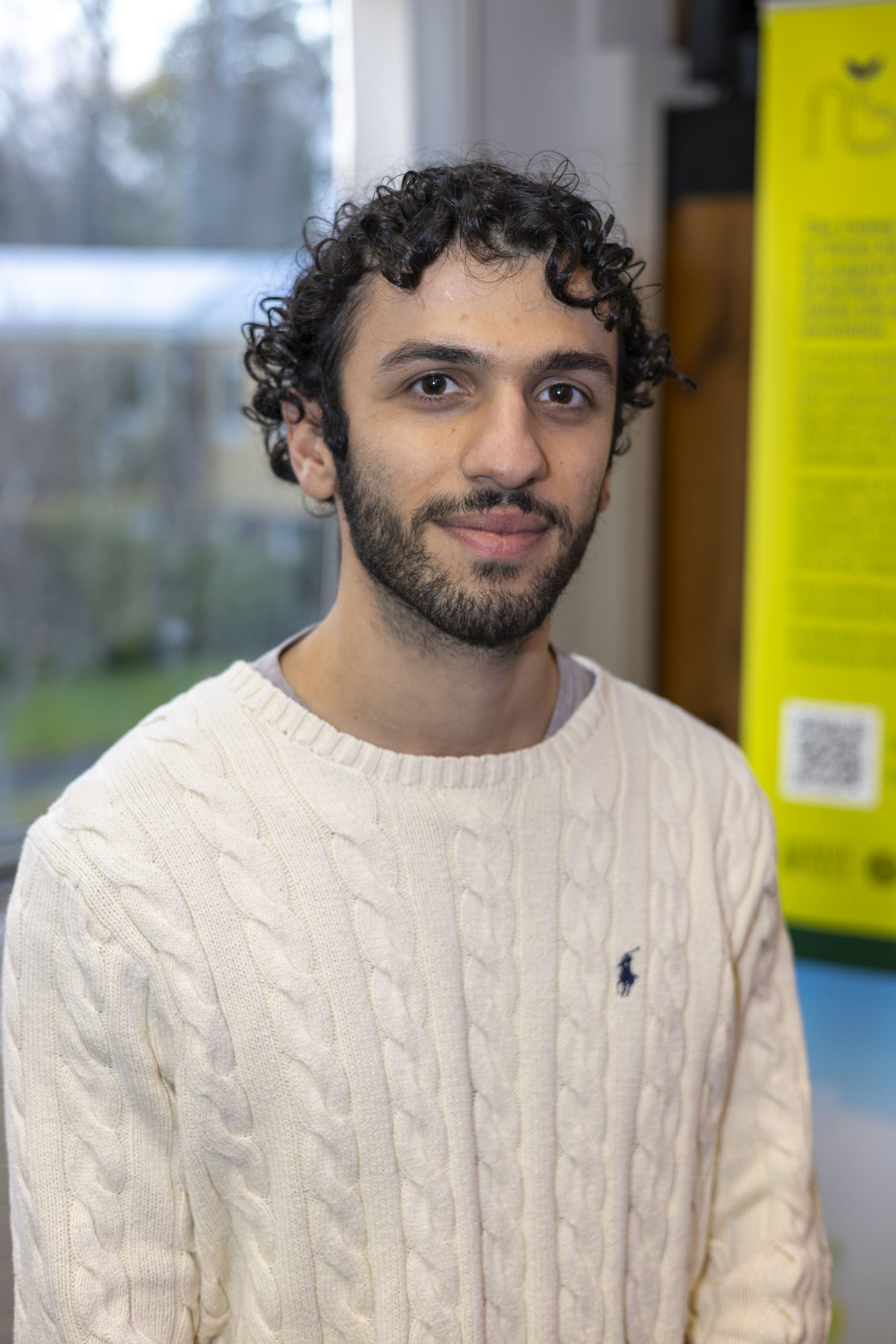
Rakan Baroudi is a PhD student at Imperial College London, who’s research focuses on hybrid heating and energy management for industrial decarbonisation. He is supervised by Professor Paul Fennell and Professor Niall Mac Dowell. The project works in collaboration with Calix Ltd, evaluating the impacts of energy management systems and hybrid heating on their Zero emission iron and steel technology (ZESTY) , with the aim of demonstrating feasibility and international deployment potential of green steel production amidst grid systems with higher renewable penetration and growing electrified industrial demand.
Prior to his PhD, Rakan worked as a Process Engineer at Wood PLC, contributing to international FEED and Pre-FEED projects in Kazakhstan and Saudi Arabia, and was an active member of the company’s Carbon Capture Technical Team, keeping ahead of emerging advances in CO₂ capture. He holds an MSc in Advanced Chemical Engineering from Imperial College London and a BEng from Loughborough University, where he received the BP Book Prize, the Jack Harris Prize, and the Departmental Design Project Prize in recognition of academic excellence.
Prior to his PhD, Rakan worked as a Process Engineer at Wood PLC, contributing to international FEED and Pre-FEED projects in Kazakhstan and Saudi Arabia, and was an active member of the company’s Carbon Capture Technical Team, keeping ahead of emerging advances in CO₂ capture. He holds an MSc in Advanced Chemical Engineering from Imperial College London and a BEng from Loughborough University, where he received the BP Book Prize, the Jack Harris Prize, and the Departmental Design Project Prize in recognition of academic excellence.
Reshma Uddin
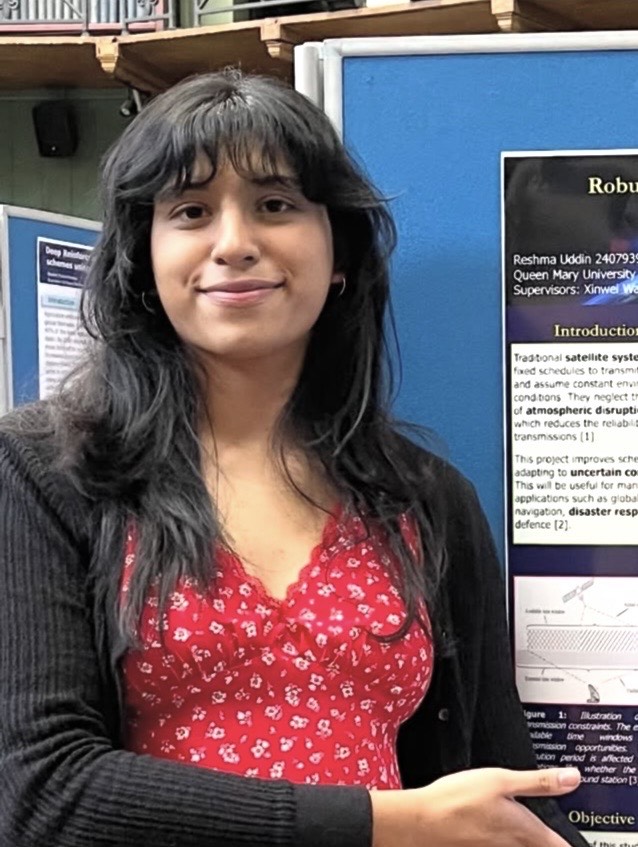
Reshma Uddin is a PhD researcher at the University of Sheffield, where she is part of the Green Industrial Futures CDT. Her research focuses on using Process Induced Neural Networks for analysing environmental data and artificial intelligence for data adjustments. She is under the supervision of Prof Mohamed Pourkashanian, who specialises in energy systems and computational modelling, and Prof Lenny Koh, who focuses on sustainability. By accomplishing this, companies can develop tailored solutions for using energy more efficiently.
Before starting her PhD, Reshma completed her master’s in Data-Centric Systems Engineering at Queen Mary University of London where she worked on a project in developing a resilient framework to find solutions for satellite data transmission scheduling problems. She completed her bachelor’s degree in Mathematics at City St George’s, University of London.
Outside of work, Reshma enjoys live music, watching F1 and engaging in thoughtful discussions about different theories and ideas. Currently, she enjoys exploring Sheffield’s Peak District and its vibrant local music scene.
Before starting her PhD, Reshma completed her master’s in Data-Centric Systems Engineering at Queen Mary University of London where she worked on a project in developing a resilient framework to find solutions for satellite data transmission scheduling problems. She completed her bachelor’s degree in Mathematics at City St George’s, University of London.
Outside of work, Reshma enjoys live music, watching F1 and engaging in thoughtful discussions about different theories and ideas. Currently, she enjoys exploring Sheffield’s Peak District and its vibrant local music scene.
Sam Huntley
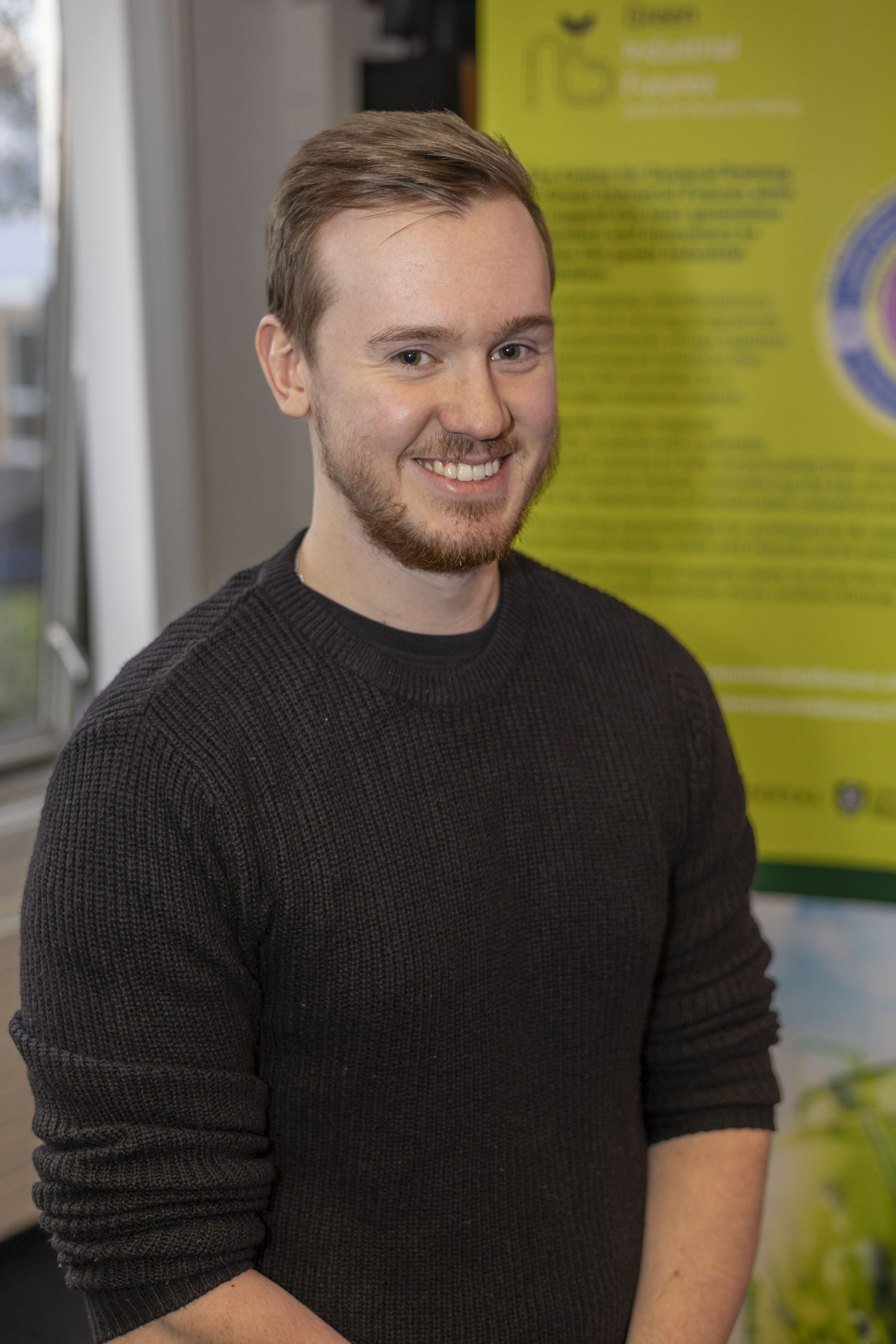
Sam Huntley is a PhD researcher at the University of Sheffield where he is part of the Green Industrial Futures CDT, which focuses on sustainable industrial development including the capture of co2 emissions, the introduction of hydrogen into modern industrial practices and general sustainability improvements to industrial processes. Sam is specifically working on the combustion of hydrogen fuel in paint drying ovens to replace the natural gas that is currently used and modelling the air flow of the ovens when using blue hydrogen as a fuel. This then paves the way for the replacement of natural gas in the Toyota factories, which will lower the overall carbon footprint of both the cars and the factory. He is conducting this research with Dr Mohamed Pourkashanian and Dr Lenny Koh.
Sam holds a BEng in chemical engineering from the University of Wolverhampton and then went to the University of Leeds to pursue a masters in advanced chemical engineering. Before starting his PhD, Sam was doing research on the triboelectric effect. This area explores how different particles can exchange charges due to impact or friction. Sam specifically looked at how the size of the particles and how the humidity in the atmosphere surrounding the triboelectric event changes the charge that is transferred, which contributed to further research being done in the area of triboelectric modelling and analysis.
Outside of work Sam has taken part in numerous different martial arts competitions in judo, boxing and mixed martial arts. He has a passion for new technological advancements in different scientific fields and also enjoys social gatherings with close friends and travelling.
Sam holds a BEng in chemical engineering from the University of Wolverhampton and then went to the University of Leeds to pursue a masters in advanced chemical engineering. Before starting his PhD, Sam was doing research on the triboelectric effect. This area explores how different particles can exchange charges due to impact or friction. Sam specifically looked at how the size of the particles and how the humidity in the atmosphere surrounding the triboelectric event changes the charge that is transferred, which contributed to further research being done in the area of triboelectric modelling and analysis.
Outside of work Sam has taken part in numerous different martial arts competitions in judo, boxing and mixed martial arts. He has a passion for new technological advancements in different scientific fields and also enjoys social gatherings with close friends and travelling.
Tom Bedford
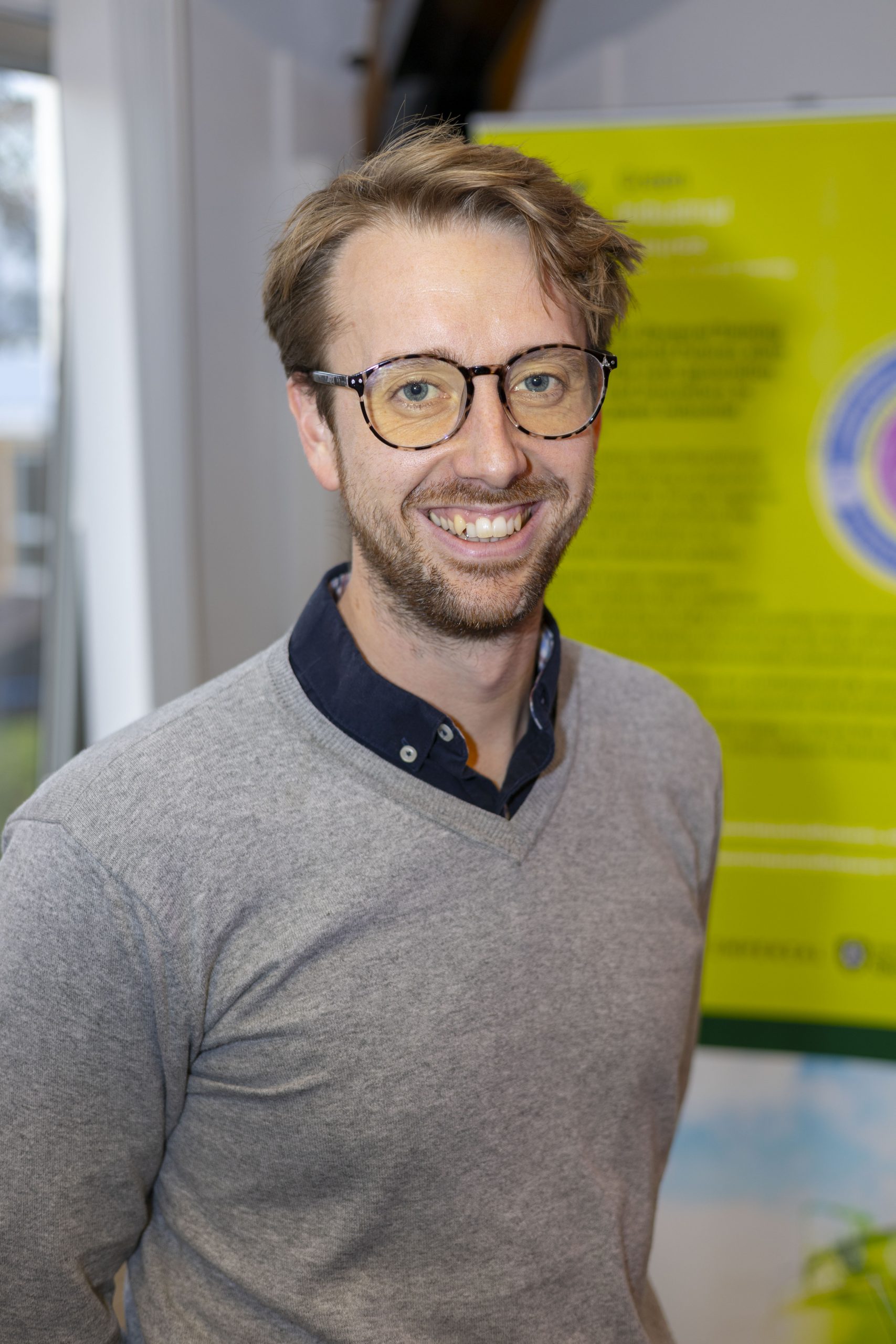
Tom Bedford is a PhD candidate at the University of Bath as part of the Centre for Doctoral Training in Green Industrial Futures. Tom’s research is centred around public perceptions of Carbon Capture and Storage (CCS), his work focuses on the factors which influence how CCS acceptance, in particular the role of institutional trust. Tom is supervised by Prof Lorraine Whitmarsh and Dr Christina Demski.
Prior to his PhD, Tom completed a BSc in Sustainability at the University of Keele and an MSc in Global Sustainability Solutions at the University of Exeter completing his thesis on the emergence of new economic thought in sustainability policy. Tom also brings industry experience to his PhD with several years working as a freelance consultant and university researcher leading projects on domestic energy storage, skills for the net zero transition, net zero governance and organisational decarbonisation. Tom is also involved with community energy, sitting on the board of Chase Community Solar.
Prior to his PhD, Tom completed a BSc in Sustainability at the University of Keele and an MSc in Global Sustainability Solutions at the University of Exeter completing his thesis on the emergence of new economic thought in sustainability policy. Tom also brings industry experience to his PhD with several years working as a freelance consultant and university researcher leading projects on domestic energy storage, skills for the net zero transition, net zero governance and organisational decarbonisation. Tom is also involved with community energy, sitting on the board of Chase Community Solar.